
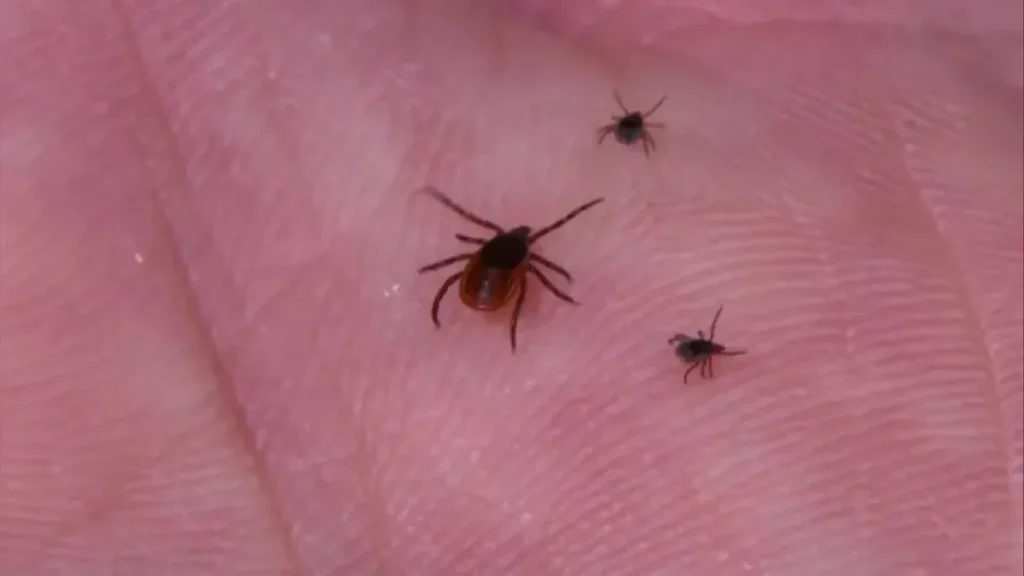
The field of public health is facing a significant new challenge as rare, vector-borne pathogens expand into fresh geographic territories. Medical experts are closely analyzing a landmark clinical milestone after a Long Island resident successfully overcame a rare Bourbon virus infection. This highly resilient survivor marks the absolute first officially confirmed human case of this specific disease within New York State.
Surviving a rare Bourbon virus infection is a exceptional medical outcome given the high virulence historically associated with this understudied pathogen. Discovered initially in the American Midwest, the sudden presence of the virus on the East Coast signals a shifting environmental reality. Public health agencies are urging increased public vigilance as regional ecosystems adapt to hosting newly introduced tick-borne threats.
The Background of the New York Case
The patient, an active outdoor enthusiast from Suffolk County, contracted the rare Bourbon virus infection after discovering ticks on his body following routine yard work. Within a few days of the initially unnoticed exposure, he began suffering from an array of rapidly debilitating physical symptoms. Local clinicians initially struggled to pinpoint the underlying cause due to the extreme novelty of the condition.
Because diagnosing a rare Bourbon virus infection remains incredibly difficult, standard clinical panels for common regional illnesses like Lyme disease consistently returned negative results. The patient experienced prolonged, agonizing diagnostic uncertainty while medical teams meticulously monitored his blood markers over an extended period. His eventual recovery provides critical, highly valuable data for researchers tracking regional pathogen distribution.
Understanding the Underlying Viral Vector
Epidemiological investigations confirm that the primary vector driving the spread of the rare Bourbon virus infection is the aggressive lone star tick. Historically concentrated in southern climates, these specific arachnids have successfully established robust, permanent populations across Long Island landscapes. Their rapid northern expansion brings entirely new public health risks to unsuspecting suburban neighborhoods.
The definitive link between lone star ticks and the rare Bourbon virus infection underscores the importance of updated vector surveillance programs. Environmental surveys of local white-tailed deer populations also reveal high antibody counts, indicating the pathogen has been quietly circulating for years. Understanding these natural reservoirs is a mandatory baseline requirement for mapping future human transmission risks.
Clinical Presentation and Laboratory Complications
A major reason why a rare Bourbon virus infection frequently evades early detection is its clinical similarity to other acute systemic illnesses. Patients typically present with sudden, spiking fevers, severe night sweats, and relentless, debilitating headaches that do not respond to standard pain relievers. These standard symptoms mirror common bacterial infections, leading to frequent initial misdiagnoses.
However, distinct laboratory findings distinguish a rare Bourbon virus infection from typical tick-borne ailments during detailed hematological reviews. Afflicted individuals display dangerously low white blood cell counts alongside critically depressed platelet levels, severely compromising their immune responses. Furthermore, elevated liver enzymes indicate that the virus actively causes systemic stress across vital internal organs.
The Strict Absence of Targeted Therapies
Currently, managing a rare Bourbon virus infection presents extreme challenges for medical centers because there are no approved antiviral medications available. Unlike common bacterial tick illnesses that resolve rapidly with standard doxycycline regimens, viral pathogens are entirely unaffected by traditional antibiotics. Physicians are forced to rely exclusively on comprehensive supportive therapies.
This total lack of specialized medicine means surviving a rare Bourbon virus infection depends heavily on the patient’s natural immune resilience and early hospitalization. Intravenous fluids, careful fever management, and close monitoring for internal bleeding represent the limits of modern clinical intervention. Developing effective vaccines has become a high-priority objective for international pharmaceutical researchers.
Is This the Tip of the Iceberg?
Prominent infectious disease specialists warn that this single confirmed New York case likely represents only a fraction of actual local transmissions. Because commercial diagnostic kits for a rare Bourbon virus infection do not exist, mild or asymptomatic cases go entirely unrecorded. Many residents may be contracting and fighting off the virus without ever receiving an accurate medical explanation.
The hidden prevalence of the rare Bourbon virus infection highlights a profound need for expanded clinician education across the Northeast. Frontline emergency room doctors must learn to consider broader diagnostic possibilities when encountering unexplained fevers following tick exposure. Raising the baseline of medical suspicion is the fastest way to prevent future fatalities from this emerging disease.
Conclusion
The remarkable recovery of a Long Island resident from a rare Bourbon virus infection provides a sobering look into the evolving landscape of vector-borne illnesses. As lone star tick populations continue to multiply across suburban communities, exposure to exotic, non-bacterial pathogens will inevitably become more frequent. Overcoming these emerging biological threats requires a unified response combining aggressive local surveillance with updated public safety messaging.
Moving forward, individuals must take personal responsibility for tick prevention by utilizing permethrin-treated clothing and performing thorough body inspections after spending time outdoors. While this historic survival story offers immense hope, it also serves as an urgent reminder that backyards can harbor significant hidden dangers. Protecting public health demands constant adaptability as the boundaries of infectious diseases continue to shift around us.
Frequently Asked Questions
What exactly is the rare Bourbon virus infection mentioned in recent New York health reports?
It is an extremely uncommon, potentially life-threatening tick-borne viral illness that was first identified by medical researchers in Kansas back in 2014.
Which specific type of tick is responsible for transmitting this dangerous viral pathogen?
Current scientific evidence indicates that the aggressive lone star tick is the primary vector responsible for spreading the virus to humans.
Can a rare Bourbon virus infection be successfully cured using standard prescription antibiotics?
No, because antibiotics are only effective against bacterial infections; there are currently no approved antiviral medications or vaccines available for this virus.
What are the most common physical symptoms parents and outdoor workers should watch for?
Key indicators include spiking fevers, severe fatigue, unique skin rashes, body aches, nausea, and intense, chronic headaches following outdoor activity.
How can local homeowners reduce their daily risk of encountering these dangerous tick vectors?
Experts strongly recommend applying EPA-registered insect repellents, wearing permethrin-treated clothing, and conducting meticulous body checks with mirrors after doing yard work.