
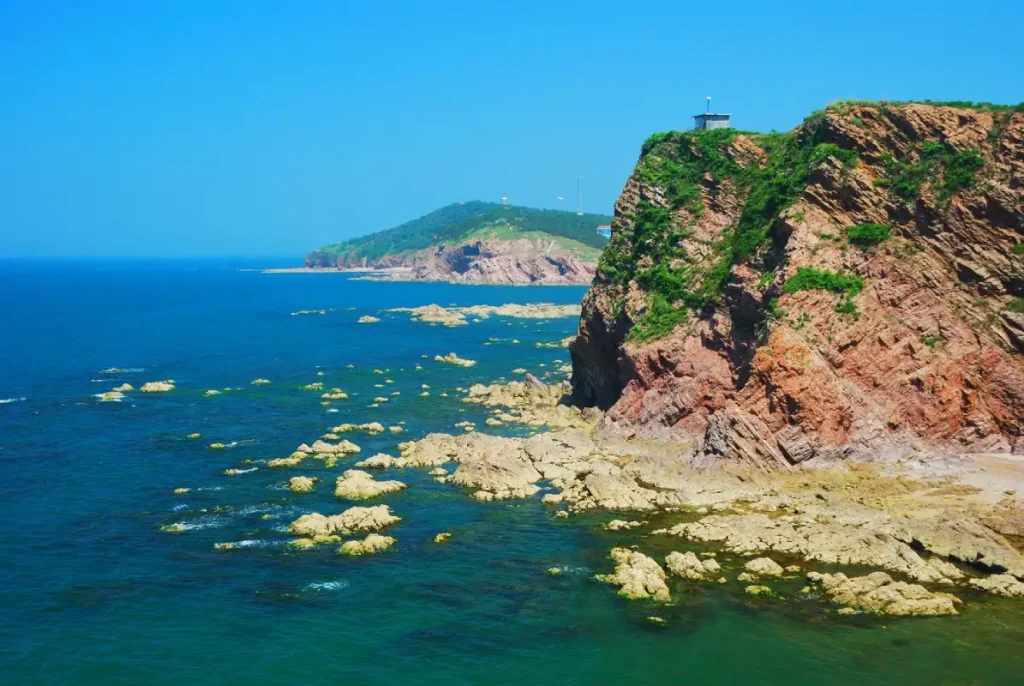
The global push for ocean preservation has achieved another significant milestone, establishing a stronger protective framework in the Caribbean. Officials have formally announced that the island of Montserrat has become the latest UK overseas territory to join the Blue Belt conservation initiative. This major partnership marks a definitive moment for regional biodiversity protection, providing the small island developing state with critical resources.
By entering the Blue Belt conservation initiative, the local government aligns itself with an elite, highly structured international network. The collaborative program delivers extensive scientific backing to help remote islands manage their aquatic territories sustainably. This timely intervention comes as a direct response to accelerating environmental changes, ensuring the territory’s rich waters are preserved for future generations.
A Significant Milestone for Caribbean Ocean Governance
Understanding the geographic significance of this expansion is essential for assessing the broader impact on the region’s blue economy. Montserrat stands as the fourth Caribbean UK overseas territory to officially embrace the Blue Belt conservation initiative, joining Anguilla, the Turks and Caicos Islands, and the Cayman Islands. This collective grouping forms a powerful regional front against unsustainable maritime activities.
The expansion of the Blue Belt conservation initiative into this specific volcanic zone introduces unique ecological dynamics to the program. The surrounding underwater habitats have been deeply affected by decades of intense volcanic activity from the Soufrière Hills volcano. This ongoing natural disturbance provides international scientists with an unparalleled, highly valuable case study regarding ecosystem recovery and resilience.
Committing to Protect Twenty Percent of Maritime Zones
The core policy mandate attached to this agreement sets an ambitious baseline for local environmental stewardship. Under the framework of the Blue Belt conservation initiative, Montserrat has pledged to protect at least 20 percent of its maritime zone. This binding target guarantees that vast swaths of ocean will be legally shielded from destructive commercial exploits.
Achieving this protective threshold requires the immediate creation of comprehensive, highly structured Marine Protected Areas (MPAs). The specialized tools provided by the Blue Belt conservation initiative will enable authorities to map delicate habitats with extreme precision. This baseline data ensures that preservation zones are placed exactly where they can safeguard vulnerable marine life effectively.
Guarding the Redwoods of the Ocean and Endangered Species
The physical waters surrounding the island harbor an array of rare biological treasures that demand uncompromising preservation. The region is famous for hosting massive populations of giant barrel sponges, fascinating organisms frequently called the redwoods of the ocean. Integrating the Blue Belt conservation initiative ensures these slow-growing structures receive immediate legal and physical protections.
Additionally, the local coastal zones serve as absolutely critical nesting and foraging grounds for critically endangered hawksbill turtles. The strategic deployment of the Blue Belt conservation initiative provides advanced monitoring networks to track these vulnerable creatures. Preventing illegal poaching and habitat destruction will heavily stabilize the delicate regional food web over the long term.
Implementing Robust Science-Based Fisheries Management
Balancing aggressive environmental preservation with local economic stability is a primary objective for the incoming administrative team. Through the Blue Belt conservation initiative, specialized agencies like the Centre for Environment, Fisheries and Aquaculture Science (Cefas) will intervene locally. These entities will work directly with local fishers to establish highly modern, data-backed fishing regulations.
Gathering real-time data on fish populations allows the government to prevent the severe consequences of chronic overfishing. The Blue Belt conservation initiative guarantees that sustainable fishing practices are fully integrated into daily community workflows. Consequently, local fishers can enjoy secure, highly predictable livelihoods without depleting the natural resources they depend on.
Building Climate Resilience for Small Island Ecosystems
Small island developing states face an uphill battle against the worsening, highly unpredictable effects of global climate change. The structural frameworks provided by the Blue Belt conservation initiative are specifically designed to build long-term climate resilience. Healthy, unpolluted marine ecosystems serve as a natural defense mechanism against devastating tropical storms and severe reef degradation.
Furthermore, this proactive partnership aligns perfectly with the ambitious global 30×30 target, which aims to protect 30 percent of the world’s oceans by 2030. Utilizing the Blue Belt conservation initiative empowers smaller territories to contribute meaningfully to global sustainability metrics. It successfully proves that local community-driven action can drive massive international progress.
Conclusion
Montserrat’s formal inclusion into the prestigious Blue Belt conservation initiative represents a monumental triumph for global marine stewardship. By committing to safeguard 20 percent of its volcanic maritime zone, the island is establishing a powerful blueprint for sustainable development. Backed by world-class scientific partnerships, this initiative successfully ensures that unique ecosystems and local livelihoods are thoroughly protected against modern environmental threats.
Frequently Asked Questions
What is the primary goal of Montserrat joining the Blue Belt conservation initiative?
The main objective is to access leading scientific expertise to protect at least 20 percent of its marine zone and establish Marine Protected Areas.
How many Caribbean UK overseas territories are now part of this program?
Montserrat is the fourth Caribbean territory to join, alongside Anguilla, the Turks and Caicos Islands, and the Cayman Islands.
Which unique marine species will benefit from this conservation framework?
The initiative will aggressively protect critically endangered hawksbill turtles and giant barrel sponges, known as the redwoods of the ocean.
How does the island’s history of volcanic activity affect marine research?
The volcanic underwater landscapes offer scientists a rare, highly valuable case study regarding ecosystem disturbance and natural marine recovery.
Will the new regulations completely ban local fishing across the island?
No, the program implements science-based fisheries management to balance essential environmental conservation with sustainable local livelihoods.