
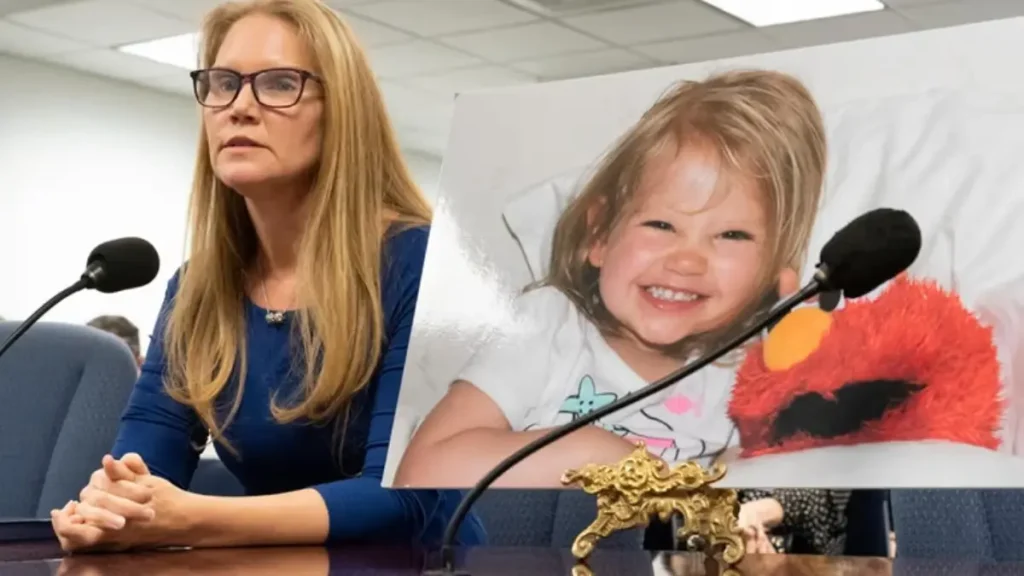
The landscape of family law in New York is undergoing a historic transformation aimed directly at safeguarding vulnerable children. After a relentless decade-long advocacy campaign, a major grassroots push is on the verge of becoming official state policy. The groundbreaking legislation known as Kyra’s Law recently achieved a massive milestone by successfully passing both the state Senate and Assembly in Albany.
The swift legislative progress of Kyra’s Law marks a definitive turning point for child safety advocates across the nation. The bill was carefully designed to entirely rewrite the operational guidelines utilized by family court judges during contentious custody disputes. By prioritizing physical safety over all other factors, lawmakers aggressively aim to eliminate systemic loopholes that historically left children unprotected.
The Heartbreaking Catalyst Behind the Reform Campaign
To fully comprehend the profound necessity of Kyra’s Law, one must examine the tragic events that ignited this movement. In 2016, a Long Island mother named Jacqueline Franchetti lost her precious two-year-old daughter, Kyra, under horrific circumstances. The young toddler was brutally murdered by her own biological father during a court-sanctioned, unsupervised visitation period.
Leading up to the tragedy, the Nassau County Family Court had received numerous clear warning signs regarding the father’s volatile behavior. Despite documented evidence of stalking and harassment, the presiding judge mistakenly designated the abuser as a low-risk parent. The devastating failure of the system prompted Franchetti to launch a massive campaign, creating the foundation for Kyra’s Law.
Overcoming a Decade of Stagnant Legislative Hurdles
Translating absolute personal grief into actionable policy required navigating complex bureaucratic roadblocks for nearly ten years. Early versions of Kyra’s Law faced intense pushback from legal associations concerned with potential evidentiary issues. Critics argued that the original wording might inadvertently greenlight unverified hearsay claims during bitter custody battles.
Demonstrating immense resilience, Franchetti meticulously rewrote the specific statutory language ten distinct times to satisfy legal experts. This uncompromising dedication ultimately allowed both political parties in Albany to unite collaboratively behind the finalized version of Kyra’s Law. The resulting bipartisan consensus proves that protecting innocent children transcends standard partisan divides within state government.
Mandating Child Safety as the Top Judicial Priority
The primary legal mechanism driving Kyra’s Law is a strict mandate restructuring how custody evaluations are conducted. Under current frameworks, judges often operate under a strong presumption that granting equal joint custody is inherently best for the child. The new bill completely upends this practice by forcing courts to conduct a mandatory review of abuse allegations first.
Before any visitation schedules can be authorized, Kyra’s Law requires an explicit, data-driven assessment of domestic violence risks. This crucial structural buffer effectively ensures that child safety is established as the absolute, non-negotiable priority in every single case. Judges will no longer possess the unchecked discretion to dismiss credible safety warnings as mere parental bickering.
Massive Grassroots Mobilization Secures Broad Support
The successful passage of Kyra’s Law through the legislature stands as an incredible testament to localized public mobilization. Over 300,000 passionate Long Island residents actively supported the campaign by participating in rallies and flood-mailing state representatives. This overwhelming wave of civic engagement made it completely impossible for lawmakers to ignore the urgent need for court reform.
Family law experts emphasize that the widespread public backing of Kyra’s Law reflects a deep systemic frustration with family courts. High-profile tragedies across New York have continuously exposed a pattern where vulnerable children are placed directly into dangerous households. The massive grassroots movement successfully transformed localized grief into a powerful national model for institutional accountability.
Awaiting the Governor’s Signature for Final Enactment
With the legislative votes overwhelmingly secured, the future of Kyra’s Law now rests entirely with Governor Kathy Hochul. Safe-child coalitions and vulnerable families across the state are actively calling for an immediate, formal signing ceremony. A spokesperson confirmed the governor’s team is currently conducting a thorough review of the finalized legislative text.
Enacting Kyra’s Law into official state law will immediately trigger comprehensive training mandates for all family court personnel. Forensic evaluators, legal guardians, and judges will be required to undergo rigorous instruction to properly identify coercive control. This educational overhaul ensures the statutory changes translate seamlessly into life-saving decisions on the courtroom floor.
Conclusion
The triumphant legislative passage of Kyra’s Law represents a monumental victory for child advocacy and a profound tribute to a stolen life. By legally establishing child safety as the supreme priority in custody disputes, New York is aggressively dismantling an outdated, risk-blind judicial culture. As the bill awaits the governor’s final signature, the incredible journey from an unthinkable Long Island tragedy to sweeping systemic reform offers a powerful blueprint for protective justice across the United States.
Frequently Asked Questions
What is the core objective of the newly passed Kyra’s Law?
The main goal of Kyra’s Law is to legally compel family court judges to make child safety the absolute top priority before granting custody or visitation rights.
Who initially started the campaign to pass this family court reform?
The movement was entirely launched by Jacqueline Franchetti, a courageous Long Island mother whose two-year-old daughter was tragically murdered by her father during a court-ordered visit.
How does this legislation change the existing process for child custody cases?
It completely mandates that judges must explicitly review and address all domestic violence and child abuse allegations before determining final custody arrangements.
Why did it take nearly ten years for this specific bill to pass the state legislature?
The bill was rewritten ten times to carefully refine legal definitions and prevent unverified hearsay from being weaponized during court proceedings.
What is the final remaining step required for Kyra’s Law to officially take effect?
The legislation has successfully passed both chambers and now awaits the official signature of Governor Kathy Hochul to become state law.