
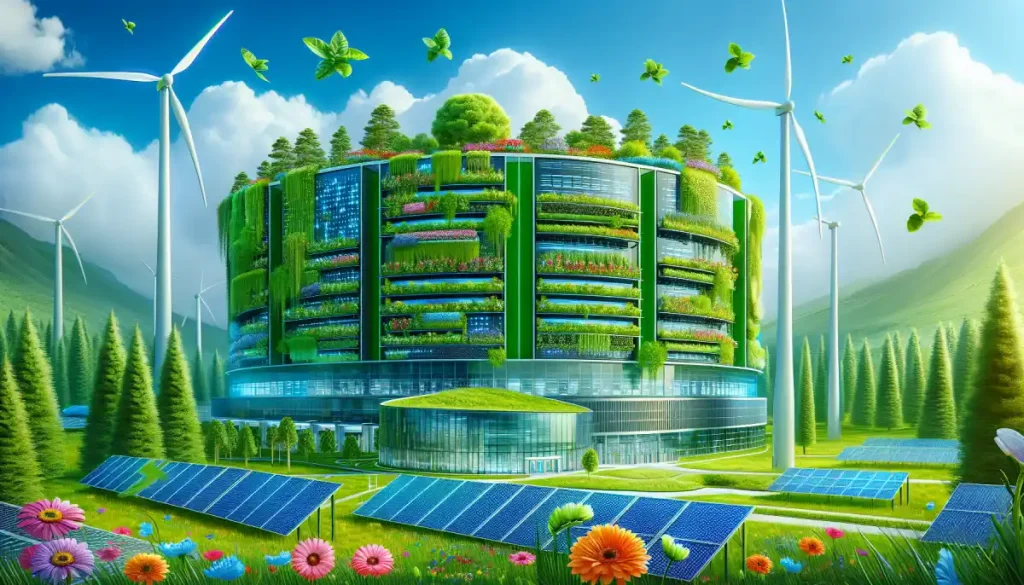
The European Union is taking massive, unprecedented steps to curb the digital sector’s ballooning environmental footprint. As artificial intelligence models demand exponentially more processing power, the European Commission has officially advanced its greener data centres initiative. This major regulatory push aims to balance the rapid expansion of digital infrastructure with the bloc’s binding climate neutrality goals.
With data center electricity consumption projected to more than double across Europe by 2030, voluntary industry frameworks are no longer sufficient. The implementation of the greener data centres initiative signals a permanent transition toward mandatory, legally binding efficiency baselines. This aggressive regulatory stance ensures that expanding cloud computing capacity does not derail the European Green Deal targets.
The Launch of the Common EU Rating Scheme
A central pillar of the newly advanced greener data centres initiative is the formal introduction of a unified, pan-European rating scheme. Following an extensive public feedback period that concluded recently, the European Commission is officially adopting the standardized evaluation framework. This mechanism forces facility operators to publicly disclose critical sustainability data points via a centralized European database.
By implementing a standardized rating system, the greener data centres initiative provides unparalleled market transparency and comparability. Facilities are graded on precise performance indicators, allowing corporate clients to select infrastructure partners based on verified ecological metrics. This transparent approach effectively rewards facilities that actively minimize their resource consumption profiles.
Enforcing Strict Power Usage Effectiveness Ceilings
The technical core of the greener data centres initiative relies on enforcing increasingly strict Power Usage Effectiveness (PUE) metrics. Under the updated Energy Efficiency Directive frameworks, any facility utilizing over 500 kilowatts of installed IT power faces strict oversight. Member states are rapidly translating these macro European guidelines into aggressive national laws.
For instance, under the parameters of the greener data centres initiative, Germany has already established a hard PUE ceiling of 1.2 for new builds. Operators constructing next-generation facilities after July 2026 must adhere to these incredibly demanding thermodynamic baselines. This strict legal pressure forces engineering teams to completely abandon inefficient legacy cooling architectures.
Mandating Waste Heat Utilization and Circularity
Moving far beyond simple electricity metrics, the greener data centres initiative places immense structural emphasis on comprehensive circular economy principles. Large-scale processing facilities generate massive amounts of thermal exhaust that historically escaped directly into the atmosphere. The new framework mandates that operators actively integrate waste-heat reuse technologies into their designs.
Connecting server cooling loops directly to localized municipal district heating networks is a primary objective of the greener data centres initiative. This integrated approach allows surrounding communities to heat residential sectors using recycled technological waste energy. Consequently, data centers are transformed from localized grid liabilities into highly valuable community utilities.
Monitoring Water Footprints Amid Rising Resource Scarcity
As advanced liquid cooling systems become the baseline standard for handling intense AI computing workloads, water security has become a massive concern. The greener data centres initiative addresses this vulnerability by requiring comprehensive reporting of Water Usage Effectiveness (WUE). Facilities must disclose exactly how many liters of water are consumed per kilowatt-hour of compute.
This intense regulatory tracking under the greener data centres initiative protects local municipalities facing climate-driven water scarcity. Facilities that rely on outdated evaporative cooling methods will face severe financial penalties or restricted operating permits during peak summer months. The rules aggressively push the industry toward sustainable, closed-loop liquid cooling alternatives.
Integrating Renewable Power and On Site Energy Storage
To safely accommodate the 28-gigawatt capacity expansion projected by 2030, the greener data centres initiative reshapes grid interconnection rules. Leading member states, such as Ireland, now require new facilities to source the vast majority of their annual power directly from newly built renewable plants. This requirement prevents tech infrastructure from hogging existing clean public utilities.
Furthermore, the greener data centres initiative is driving a massive surge in localized microgrid installations and advanced battery energy storage systems (BESS). By generating and storing clean power locally, hyperscalers can confidently navigate regional grid capacity bottlenecks. This independent operational structure thoroughly enhances national grid resilience during periods of peak system load.
Conclusion
The steady expansion of the EU’s greener data centres initiative marks a definitive turning point for the international technology sector. By combining mandatory PUE ceilings, standardized sustainability labels, and waste-heat reuse requirements, Europe is establishing an uncompromised global benchmark. As the AI revolution demands more processing power daily, these strict regulations successfully guarantee that digital progress does not come at the expense of planetary health.
Frequently Asked Questions
What is the primary objective of the EU’s greener data centres initiative?
The main goal of the greener data centres initiative is to regulate the soaring energy and water consumption of processing facilities to achieve carbon neutrality by 2030.
Which data centers fall under the scope of the mandatory reporting rules?
Any data center operating within the European Union that features an installed IT power demand of 500 kilowatts or more must report its metrics annually.
What is Power Usage Effectiveness and why is Germany capping it at 1.2?
PUE measures a facility’s total energy use relative to its IT equipment energy; Germany enforces a strict 1.2 ceiling to mandate maximum cooling efficiency.
How does the advanced framework utilize the heat generated by computer servers?
The initiative requires large operators to implement waste-heat utilization systems that channel thermal exhaust directly into nearby municipal district heating networks.
Are data center operators required to build their own renewable energy sources?
In several strict jurisdictions like Ireland, operators must ensure that at least 80 percent of their electricity consumption comes from newly installed local green power plants.