
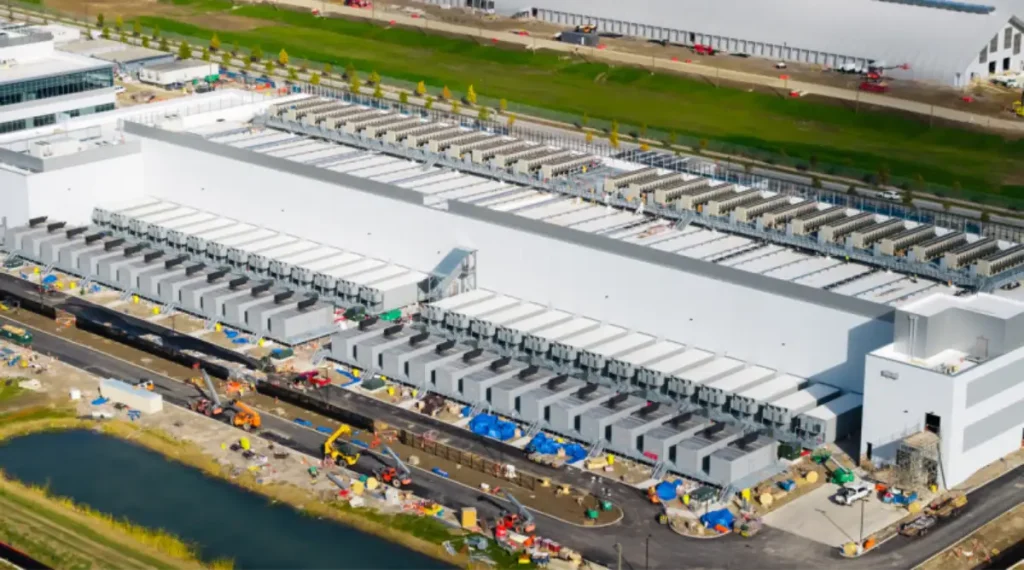
The seemingly unstoppable momentum of the artificial intelligence boom is suddenly colliding with an unyielding wall of local bureaucracy and civic resistance. As tech giants aggressively look to expand their compute capacity, widespread data center permitting delays are fundamentally altering corporate infrastructure timelines. What was once considered a predictable, straightforward construction process has rapidly transformed into a complex regulatory battleground.
Recent market tracking data from the first quarter of 2026 reveals a staggering shift in the infrastructure landscape. Intense local friction and data center permitting delays have successfully disrupted or entirely blocked over 75 major projects collectively valued at approximately $130 billion. This single-quarter total effectively matches the entire volume of disrupted developments recorded throughout the previous year, highlighting a massive escalation in resistance.
The Unprecedented Rise of Bipartisan Legislative Pushback
The political climate surrounding high-density tech infrastructure has grown intensely hostile, crossing traditional party lines with surprising speed. Lawmakers have introduced more than 300 state-level bills designed to aggressively regulate or completely pause new construction due to data center permitting delays. Bipartisan coalition groups are rapidly emerging to defend local resources from corporate exploitation.
Furthermore, statewide moratorium proposals have been formally introduced in 14 states, signaling a deep institutional desire to re-evaluate tech expansion. This widespread legislative activity directly exacerbates data center permitting delays by forcing developers to navigate constantly shifting legal definitions and requirements. Jurisdictions are no longer willing to rubber-stamp mega-projects without conducting exhaustive, multi-year community impact reviews.
Public Sentiment Decisively Rejects Megawatt Neighbors
A profound shift in public opinion is serving as the primary engine driving these localized infrastructure roadblocks. A comprehensive national survey conducted recently revealed that a striking 71 percent of citizens now firmly oppose having data centers built near their homes. This marks a massive, sharp turn from previous years when communities generally welcomed tech campus investments for their perceived economic benefits.
The primary anxieties fueling this intense public resistance center around skyrocketing electricity costs and severe noise pollution from cooling fans. Residents are frequently packing local zoning board meetings to actively demand extensive data center permitting delays until independent environmental studies are conducted. The visible transformation of pastoral farmland into massive, windowless concrete facilities has triggered an emotional, highly defensive response from homeowners.
Water Rights and Hydrological Permitting Flashpoints
Beyond the obvious strains placed on regional electrical grids, water consumption has emerged as a critical vulnerability for tech developers. Next-generation AI server clusters generate intense heat, requiring millions of gallons of water daily to maintain optimal operating temperatures. Consequently, securing water rights has become a primary driver of prolonged data center permitting delays.
Environmental advocacy groups are increasingly utilizing targeted lawsuits to halt construction by arguing that local hydrological reviews are entirely insufficient. For instance, a federal court recently issued a temporary restraining order blocking a massive 100-acre project in Minnesota due to contested water impacts. These late-stage environmental challenges guarantee that data center permitting delays will continue to plague projects situated near vulnerable ecosystems.
Moratoriums Sweep Through Major Technological Hubs
Faced with overwhelming pressure from nervous constituents, municipal leaders are increasingly utilizing temporary bans to regain control over local zoning. Seattle recently became the largest major city to officially enact a strict one-year moratorium on all new facility applications. This localized freeze has instantly triggered immediate data center permitting delays for multiple high-profile projects planned by major hyperscalers.
Even states historically recognized as highly friendly tech havens are actively reconsidering their long-term infrastructure strategies. While some pro-growth governors are attempting to fast-track permits, treasury officials are openly calling for a total pause to study cumulative grid impacts. This internal political friction ensures that navigating data center permitting delays will remain a permanent, costly line item in corporate real estate budgets.
The Strategic Pivot Toward Alternative Infrastructure Solutions
To successfully circumvent the paralyzing web of local opposition, forward-thinking tech executives are forced to completely reinvent their development playbooks. Instead of clustering massive facilities inside established digital hubs, firms are exploring highly distributed edge computing networks. Mitigating data center permitting delays requires moving entirely away from regions facing severe resource scarcity.
Companies are also heavily investing in closed-loop liquid cooling architectures that dramatically minimize daily water consumption profiles. Proactively adopting these highly efficient systems allows developers to present much cleaner, more palatable proposals to skeptical planning boards. Ultimately, overcoming systemic data center permitting delays demands an uncompromising commitment to transparent, community-aligned sustainable development.
Conclusion
The dramatic surge in localized pushback and compounding data center permitting delays marks the definitive end of the friction-free AI land grab. With $130 billion in infrastructure projects stalled in early 2026 alone, tech giants must recognize that public resources are not infinite. Resolving this macro crisis requires moving past combative public relations campaigns and embracing genuine, verifiable environmental accountability to secure a sustainable digital future.
Frequently Asked Questions
What is the primary cause behind the sudden surge in data center permitting delays?
The delays are heavily driven by growing local opposition, grid capacity bottlenecks, and intense scrutiny over local water and power consumption metrics.
How many tech infrastructure projects have been blocked or delayed so far this year?
Market data from early 2026 shows that at least 75 major data center projects worth $130 billion have been successfully stalled or canceled.
Why is public opinion turning so sharply against new data center construction?
Roughly 71% of citizens oppose them near residential zones due to fears of soaring utility bills, extreme noise from cooling systems, and grid instability.
Which major US city recently passed a moratorium on new data center facilities?
Seattle enacted a strict one-year pause on new data center developments within city limits to fully evaluate the long-term stress placed on its municipal power system.
How can tech companies effectively bypass these localized permitting roadblocks?
Firms are transitioning toward closed-loop liquid cooling technologies and shifting site selection to highly remote regions with abundant, independent renewable power.