
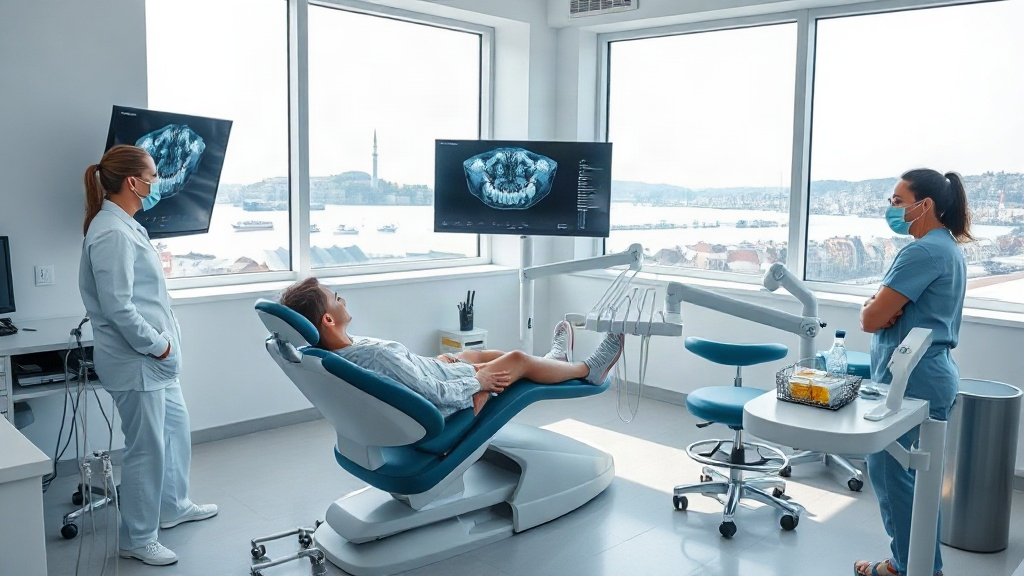
If you've been putting off a smile makeover because of the high prices at home, you're not alone. Many people are now looking abroad for a solution that doesn't drain their savings. dental implants turkey has become one of the most searched phrases in cosmetic dentistry, and for good reason. The country combines world-class dental technology with prices that feel almost too good to be true. But is it really as safe and reliable as it sounds? I've spent months researching clinics, talking to patients, and comparing real invoices. This guide will give you the honest picture, without the marketing fluff.
Turkey has quietly become a global hub for dental tourism. Cities like Istanbul, Antalya, and Izmir are now home to hundreds of modern clinics that cater specifically to international patients. The reason is simple: you can get the same quality of care you'd expect in the UK, US, or Germany, but at a fraction of the cost. A single implant that might set you back $3,000 in London can cost as little as $600 in Istanbul. But price isn't the only factor. You need to know what you're paying for, who will be treating you, and what to expect before, during, and after the procedure.
Why Turkey Leads the World in Dental Implant Tourism
Turkey's rise in dental tourism didn't happen overnight. It's the result of a perfect storm of factors: a strong healthcare infrastructure, government support for medical tourism, and a highly competitive private sector. The Turkish government has invested heavily in health tourism, offering tax incentives and accreditation programs that push clinics to meet international standards. Many clinics in Istanbul are accredited by the Joint Commission International (JCI) or are members of the International Congress of Oral Implantologists (ICOI).
But what really sets Turkey apart is the sheer volume of procedures performed. When a clinic places thousands of implants per year, the dentists become incredibly skilled. They see complex cases daily, from full-mouth reconstructions to sinus lifts and bone grafts. This experience translates into better outcomes for patients. Additionally, the cost of living and labor in Turkey is lower than in Western Europe, which directly reduces the overhead for clinics. They pass those savings on to you without cutting corners on materials or technology.
Quality of Materials and Technology
One common misconception is that lower prices mean lower quality. In reality, most reputable Turkish clinics use the same top-tier implant brands you'd find in the UK or US. Brands like Straumann, Nobel Biocare, and Osstem are widely used. These are companies with decades of research behind them. The clinics also invest in advanced imaging technology, such as 3D cone beam CT scanners, which allow for precise planning and placement. Many offer computer-guided surgery, which reduces the risk of complications and shortens recovery time.
When comparing clinics, always ask which implant brand they use and whether they provide a lifetime warranty on the implant itself. A reputable clinic will be transparent about this. You should also check if they have an in-house dental laboratory. This can significantly speed up the process for crowns and bridges, and it gives the dentist more control over the final fit and aesthetics.
Understanding dental implants turkey cost
Let's talk numbers, because that's probably why you're here. The dental implants turkey cost varies depending on the clinic, the materials used, and the complexity of your case. On average, a single implant with a porcelain crown will cost between $500 and $1,000 in Turkey. In the UK, the same procedure typically ranges from $2,500 to $4,000. That's a savings of 60% to 80%. For a full set of teeth, the difference is even more dramatic. A full arch restoration with 4 to 6 implants, often called an All-on-4 or All-on-6, can cost between $3,000 and $6,000 in Turkey, compared to $20,000 to $40,000 in the US.
But beware of prices that seem too low. Some clinics advertise implants for $300 or less. These may be using lower-quality generic implants, or they may not include the cost of the crown, abutment, or necessary X-rays. Always ask for a detailed, itemized quote before you commit. A trustworthy clinic will provide a written treatment plan with all costs included, so there are no surprises later.
What's Typically Included in the Price?
Most package deals for international patients include the following:
- Initial consultation and 3D X-ray or CT scan
- The implant fixture itself
- The abutment (the connector piece)
- The crown or prosthetic tooth
- Local anesthesia
- Some clinics also include airport transfers and hotel accommodation
However, you should confirm exactly what is covered. Some packages don't include the cost of bone grafting if it's needed, or they may charge extra for sedation. Also, ask about aftercare and what happens if you need a revision or have a complication once you're back home. A good clinic will offer a warranty and have a clear protocol for follow-up care.
Full Mouth Dental Implants: A Life-Changing Option
If you've lost most or all of your teeth, full mouth dental implants turkey can restore not just your smile, but your ability to eat, speak, and live confidently. This procedure involves placing multiple implants in the upper and lower jaws to support a full set of fixed teeth. Unlike traditional dentures, these teeth are permanent and feel like natural teeth.
There are two main approaches: implant-supported dentures (which can be removed for cleaning) and fixed bridges (which are permanently screwed in). The fixed option is more popular because it offers greater stability and comfort. The number of implants needed varies. The All-on-4 technique uses 4 implants per arch, while All-on-6 uses 6. More implants generally provide better support and distribution of force, especially in the lower jaw.
The Process Step by Step
Here's what you can expect if you choose full mouth dental implants turkey:
- Initial consultation: You'll send photos, X-rays, or a CT scan if you have one. The clinic will assess your bone density and determine if you need bone grafting.
- Treatment plan: You'll receive a detailed plan with the number of implants, type of prosthesis, timeline, and total cost.
- Travel to Turkey: Most patients stay for 5 to 7 days. During this time, the implants are placed. If you're having extractions, they may be done at the same time.
- Temporary teeth: You'll leave with a temporary set of teeth so you're never without a smile.
- Healing period: Over the next 3 to 6 months, the implants fuse with the bone in a process called osseointegration.
- Final restoration: You return to Turkey for a short visit to have your permanent teeth fitted.
Some clinics now offer same-day teeth, where you get a fixed temporary bridge on the same day as surgery. This is possible with immediate loading protocols, but it's not suitable for everyone. Your dentist will advise you based on your bone quality and overall health.
Is It Safe? What to Look for in a Clinic
Safety should be your top priority. While the vast majority of clinics in Turkey are reputable, there are some that cut corners. Here are the key things to check before you book:
- Accreditations: Look for JCI accreditation or membership in the Turkish Dental Association. Also check if the clinic is registered with the Ministry of Health.
- Dentist credentials: Ask about the implantologist's training and experience. How many implants have they placed? Are they a specialist in oral surgery or prosthodontics?
- Reviews and testimonials: Read independent reviews on platforms like Trustpilot, Google, and dental tourism forums. Look for patterns in feedback, both positive and negative.
- Warranty: A good clinic will offer a warranty on the implants and the prosthetic work. Typically, implants have a lifetime warranty from the manufacturer, but the clinic's workmanship should also be guaranteed for at least 5 years.
- Communication: How responsive is the clinic? Do they answer your questions clearly and promptly? A clinic that is difficult to reach before your trip will be even harder to reach after.
You should also consider the legal protections. In the unlikely event of malpractice, you may have limited recourse as a foreign patient. Some clinics offer insurance or have partnerships with international patient advocates. It's worth asking about this.
Planning Your Trip: Practical Tips
Combining dental work with a holiday is a bonus, but you need to plan carefully. Most clinics recommend staying for at least 5 days for a simple implant, and 7 to 10 days for a full mouth restoration. You'll need time for the surgery, a follow-up appointment, and some rest before flying home.
Here are a few practical tips:
- Fly into Istanbul: It has the most flight connections and the highest concentration of top clinics. Antalya is also popular for combining with a beach holiday.
- Book accommodation near the clinic: Many clinics have partnerships with hotels and can arrange transfers. This reduces stress.
- Plan your diet: After implant surgery, you'll need to eat soft foods for a few days. Stock up on soups, yogurts, and smoothies.
- Check your travel insurance: Standard travel insurance may not cover dental procedures. Some specialized medical tourism insurance policies are available.
- Bring a companion: Having someone with you can make the experience much less daunting, especially if you're having extensive work done.
Real Patient Experiences
To give you a better sense of what it's like, here are a few anonymized stories from patients who went to Turkey for dental implants:
Sarah, 54, from Manchester: "I had been quoted £12,000 for four implants in the UK. I was terrified of going abroad, but I found a clinic in Istanbul with excellent reviews. The whole process was so smooth. The clinic was spotless, the staff spoke perfect English, and the dentist was incredibly gentle. I paid £3,200 for everything, including flights and a hotel for a week. It's been two years and my implants feel great."
David, 61, from New York: "I needed full upper and lower implants. The cost in the US was astronomical, over $50,000. I went to Antalya and had the All-on-6 procedure. The clinic arranged everything, even a wheelchair at the airport because I was a bit unsteady after surgery. The final teeth look amazing. I can eat steak again. Total cost was $11,000."
These are typical experiences, but remember that every case is unique. Do your own research and don't rush into a decision.
Common Myths and Misconceptions
Let's debunk a few myths that might be holding you back:
- Myth: "Turkish dentists are less qualified." Reality: Many Turkish dentists trained in Europe or the US and hold international certifications. The best clinics require ongoing education.
- Myth: "The materials are inferior." Reality: Top clinics use the same implant brands as Western clinics. Always ask for documentation.
- Myth: "It's a risky surgery." Reality: Dental implant surgery is very safe when performed by an experienced professional. The success rate is over 95%.
- Myth: "You can't get follow-up care at home." Reality: Many clinics have partner dentists in your home country for follow-up, or they provide detailed instructions for your local dentist.
How to Choose the Right Clinic
With so many options, how do you narrow it down? Here's a step-by-step approach:
- Shortlist 3-5 clinics based on reviews and accreditations.
- Request quotes from each. Provide the same information (X-rays, photos) for accurate comparison.
- Have a video consultation with the dentist who will actually perform the procedure. Don't settle for a sales rep.
- Ask about the warranty and aftercare policy in writing.
- Check the clinic's social media for before-and-after photos and patient testimonials.
- Trust your gut. If something feels off, or if they pressure you to pay a deposit quickly, walk away.
Remember, the cheapest option is rarely the best. A slightly higher price often means better materials, more experienced staff, and a safer experience. That said, even the most expensive clinics in Turkey are still significantly cheaper than in the UK or US.
Potential Risks and How to Minimize Them
No medical procedure is without risk. For dental implants, the main risks include infection, nerve damage, sinus problems (for upper implants), and implant failure. However, these risks are low when the procedure is done correctly. Here's how to minimize them:
- Choose an experienced implantologist who performs these procedures daily.
- Follow pre- and post-operative instructions to the letter.
- Don't smoke for at least two weeks before and after surgery, as smoking significantly increases the risk of implant failure.
- Manage chronic conditions like diabetes, which can affect healing.
- Get a second opinion if you're unsure about the treatment plan.
If you experience severe pain, swelling, or fever after returning home, contact the clinic immediately. They should have a protocol for remote consultations and, if necessary, refer you to a local specialist.
Frequently Asked Questions
How long do dental implants in Turkey last?
With proper care, dental implants can last a lifetime. The crown or prosthetic tooth may need replacement after 10 to 15 years due to normal wear, but the implant itself is designed to be permanent. The longevity depends on your oral hygiene, habits (like smoking), and regular dental check-ups.
Is it cheaper to get full mouth dental implants in Turkey?
Yes, significantly. In Turkey, a full mouth restoration with implants can cost between $3,000 and $10,000 depending on the technique and materials. In the US or UK, the same procedure can cost $20,000 to $50,000. Even with travel expenses, you can save 60% to 70%.
What is the success rate of dental implants in Turkey?
The success rate for dental implants in Turkey is comparable to global standards, typically around 95% to 98% for healthy patients. Success depends on factors like bone density, oral hygiene, and the skill of the surgeon. Reputable clinics will provide statistics and offer warranties.
Can I get dental implants in Turkey if I have bone loss?
Yes, many patients with bone loss can still get implants. The dentist may recommend a bone graft or a sinus lift to rebuild the bone before placing the implant. Some clinics also use zygomatic implants, which anchor into the cheekbone and bypass the need for bone grafting in the upper jaw.
How do I pay for dental implants in Turkey?
Most clinics accept bank transfers, credit cards, and sometimes cash. Be cautious about paying large sums in cash. Always get a receipt and ensure the payment is made to the clinic's official account. Some clinics offer financing options, but these are less common for international patients.