
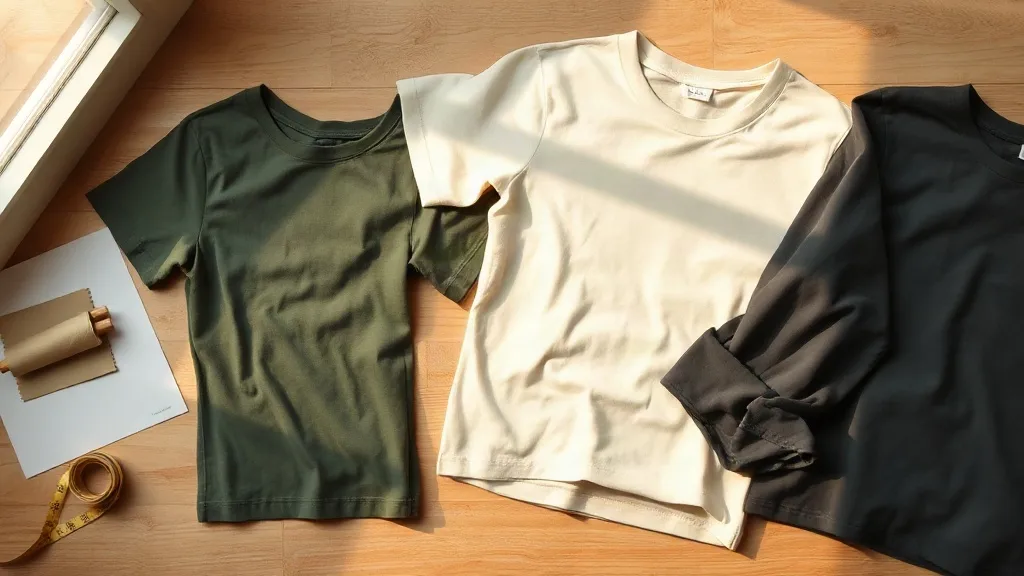
Walk through any print shop or merch operation and you will hear the same complaint sooner or later: the design looked flawless on screen, the press ran perfectly, and then the customer washed the shirt twice and the whole thing started to fall apart. Nine times out of ten, the culprit was not the ink or the artwork. It was the blank underneath. That realization is exactly why smart blanks have moved from a niche preference among decorators to a genuine priority for anyone who takes custom apparel seriously.
This is not a story about a single product line or a clever marketing label. It is about a shift in how people who make and sell custom clothing evaluate the foundation of their work, and what that shift means if you are ordering shirts for a brand, a team, an event, or a growing online store.
What Actually Makes a Blank "Smart"
The word gets thrown around loosely, so it helps to be precise. A blank shirt is only as smart as the way it behaves through the full life of a garment: how it takes decoration, how it feels on the body, how it survives the wash, and how reliably it performs batch after batch.
When decorators talk about smart blanks, they are usually describing a few concrete traits that separate a dependable base layer from a frustrating one.
- Consistent construction: Seams, hems, and collars hold their shape without twisting or puckering after repeated wear.
- Decoration-friendly surfaces: The weave and finish accept screen print, DTG, embroidery, and vinyl without bleeding, cracking, or ghosting.
- Predictable shrinkage: A pre-shrunk or tightly controlled fabric means the size you sell is the size the customer keeps.
- Comfort that holds up: Fabric weight and hand feel that stay pleasant rather than turning stiff or thin over time.
- Repeatable supply: The same fit, color, and quality available when you reorder months later.
None of these traits are glamorous on their own. Together, they decide whether your finished product feels premium or disposable.
Why the Blank Matters More Than Most People Think
There is a natural instinct to focus on the design. The graphic is what people see, after all. But experienced decorators will tell you that the blank determines the ceiling of what the finished piece can be. A sharp design on a weak blank still reads as a weak shirt. A simple design on a well-made blank reads as a brand worth paying for.
Consider what happens at each stage of a custom order:
During decoration
Fabric composition and surface finish affect how ink cures and how embroidery stitches sit. A blank with uneven tension or a loose knit can cause registration problems, puckering, and inconsistent coverage. That means more reprints, more wasted material, and more time on the press. Choosing smart blanks upfront reduces the number of variables you have to fight.
During the first wear
Customers judge quality within seconds of putting a shirt on. Neckline shape, sleeve drape, and overall weight all send a signal before anyone reads the graphic. A blank that fits well and feels substantial creates instant credibility for the brand printed on it.
After repeated washing
This is where the gap between average and premium blanks becomes obvious. Cheap fabric twists at the side seams, collars stretch out, and prints begin to lift at the edges. Good blanks keep their structure, which means the customer keeps wearing the shirt, which means your brand keeps getting seen. That long tail of visibility is worth far more than the few cents saved on a lower-grade blank.
Who Benefits Most From Upgrading Their Blanks
The case for better blanks is strongest for anyone whose product is judged by the garment itself. That includes several distinct groups.
- Small apparel brands: When you are building a reputation from scratch, every piece has to reinforce the promise you are making. A premium blank gives a young brand the polish of an established one.
- Print shops and decorators: Fewer defects, fewer remakes, and happier clients. The margin math often works out in favor of the better blank once you account for reprints and rush orders.
- Corporate and event buyers: Branded merchandise reflects on the organization that hands it out. A shirt that falls apart after two washes does the opposite of what the campaign intended.
- Merch teams and creators: Fan bases are quick to notice when merchandise feels cheap. Reliable blanks protect the relationship between creator and community.
If your product is a one-off novelty item, the calculus is different. If you are building something people will wear again and again, the blank is part of your brand identity, not just a cost line.
How to Evaluate a Blank Before You Commit
Most sourcing mistakes happen because buyers evaluate blanks on price and color card alone. A more useful approach is to test the things that actually matter in the real world.
Order samples and wash them
Never approve a blank based on how it looks in a bag. Print or embroider a sample, then wash it several times the way a customer would. Check the collar, the side seams, and the print edges. This single step catches most problems early.
Check the fabric spec, not just the weight
Fabric weight is a useful shorthand, but composition and knit matter just as much. Two shirts at the same weight can behave very differently depending on fiber blend and how tightly the fabric is knit. Ask for the details and compare them across suppliers.
Test your actual decoration method
A blank that performs well with screen print may behave differently under DTG or embroidery. Always test the method you plan to use, on the color you plan to sell. Dark colors in particular can reveal issues that light colors hide.
Confirm reorder reliability
Ask how long a given color and size will stay in stock and whether the spec is guaranteed to remain stable. A great first order means little if the second order arrives with a different fit or a slightly different shade. Consistency is the quiet backbone of smart blanks.
Do the true cost math
Compare blanks on delivered cost per finished, sellable unit rather than price per shirt. Factor in defect rates, reprints, and returns. The premium blank frequently wins once the full picture is on the table.
Common Mistakes That Undermine a Good Blank
Even a strong blank can be let down by avoidable errors. A few patterns show up again and again.
- Mixing suppliers mid-run. Slight differences in fit and shade become obvious when garments are worn side by side.
- Skipping pre-treatment on DTG. Proper preparation is essential for a print that lasts, regardless of blank quality.
- Over-stretching during hooping. Embroidery on a stretched blank can pucker once the frame is released.
- Ignoring care instructions. Customers who wash hot and tumble dry aggressively will stress any garment, so clear guidance helps protect the product.
- Choosing color for the mockup only. Some shades behave differently under decoration, so test the exact color you plan to sell.
Each of these is easy to fix once you know to look for it, and together they protect the investment you make in better blanks.
Frequently Asked Questions
Are smart blanks more expensive than standard blanks?
They often carry a higher unit price, but the difference is usually smaller than people expect once you compare finished, sellable units. Fewer defects, fewer reprints, and lower return rates typically narrow the gap, and in many cases the better blank ends up cheaper per shirt that actually reaches a customer.
Can I use smart blanks for both screen printing and embroidery?
Yes, that is part of the point. Well-made blanks are designed to handle multiple decoration methods reliably. That said, always test your specific method on your specific color before committing to a full run, since fabric finish and ink chemistry interact in ways that samples will reveal quickly.
How do I know if a blank will shrink after washing?
Ask the supplier directly about pre-shrinking and expected shrinkage rates, then verify with your own wash test. Measure a sample before and after several wash and dry cycles. If the garment holds its size and shape, you can sell it with confidence and avoid the sizing complaints that plague lower-grade blanks.
Do better blanks really affect customer reviews?
They can, because reviews tend to reflect the physical experience of the product more than the artwork. Fit, feel, and durability are what people mention when they are happy, and what they mention when they are not. A dependable blank gives you a better chance of the first kind of review.
What should I check first when switching to a new blank supplier?
Start with a decorated sample and a wash test, then confirm reorder stability and lead times. Those three checks cover the issues that cause the most trouble in practice: how the blank takes decoration, how it holds up in use, and whether you can count on it again next season.
The takeaway is straightforward. The blank is not the background of a custom apparel product. It is the product. Treat it that way, test it properly, and the rest of your process gets easier from the first stitch to the final wash.