
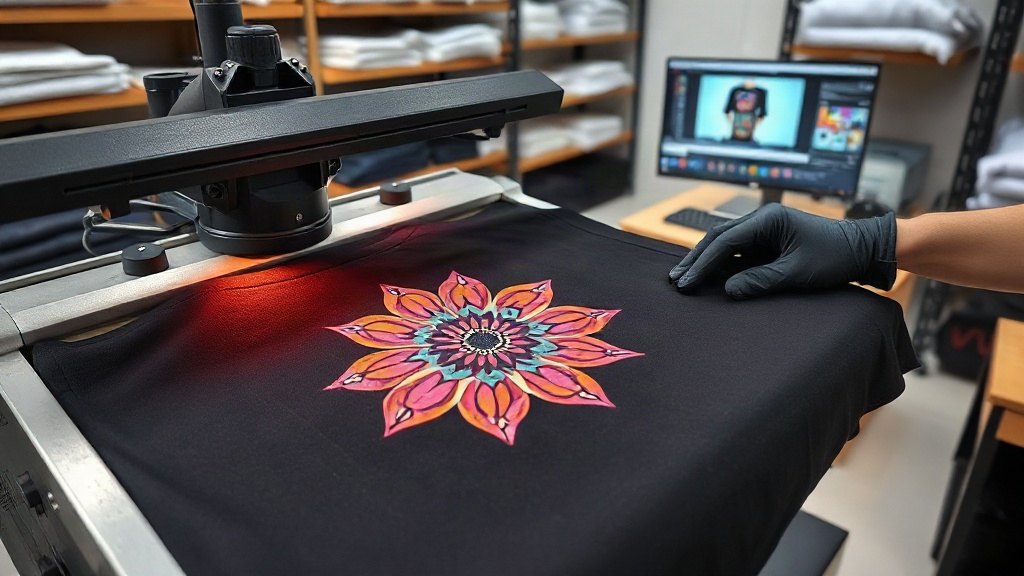
If you've been exploring the custom apparel world, you've likely stumbled upon the term DTF. It's not just a passing trend; it's a game-changer that's redefining how we think about garment decoration. But what exactly is DTF, and why is it generating so much buzz? In this comprehensive guide, we'll dive deep into the world of DTF transfers, exploring everything from the basics to advanced tips, and how you can find the best DTF transfers near me for your next project.
Imagine being able to print intricate, full-color designs on virtually any fabric, from cotton to polyester to blends, without the hassle of weeding or color limitations. That's the promise of DTF, and it's delivering on that promise in a big way. Whether you're a seasoned print shop owner or a hobbyist looking to create unique gifts, understanding DTF can open up a world of creative possibilities.
What Are DTF Transfers?
DTF stands for "Direct to Film." It's a printing method where a design is first printed onto a special PET film, then coated with a hot-melt adhesive powder, and finally heat-pressed onto the garment. Unlike traditional methods like screen printing or DTG (Direct to Garment), DTF transfers offer unmatched versatility and durability.
The process might sound complex, but it's actually quite straightforward. You start with a high-quality design file, print it in reverse onto the film using specialized DTF inks, apply the adhesive powder evenly, and cure it. Once cured, the transfer is ready to be applied to any fabric with a heat press. The result is a vibrant, flexible print that can withstand repeated washing without cracking or fading.
How Does DTF Compare to Other Printing Methods?
When deciding on a printing method, it's essential to weigh the pros and cons. Here's a quick comparison to help you understand where DTF shines:
- Screen Printing: Great for bulk orders with simple designs, but setup costs are high, and color gradients are difficult.
- DTG (Direct to Garment): Excellent for detailed, full-color prints on cotton, but struggles with dark fabrics and synthetic materials.
- Sublimation: Perfect for polyester and light-colored surfaces, but limited on cotton and dark garments.
- DTF: Combines the best of both worlds: full-color capability, works on any fabric, no weeding, and cost-effective for small to medium runs.
This versatility is why many businesses are making the switch to DTF transfers. It's not just about keeping up with technology; it's about offering customers more options without compromising on quality or profitability.
The Benefits of Using DTF Transfers
Why should you consider DTF transfers for your next project? Let's break down the key advantages:
1. Unmatched Versatility
One of the most significant benefits of DTF is its ability to adhere to a wide range of materials. Cotton, polyester, blends, nylon, leather, and even some hard surfaces like wood and metal can be decorated with DTF transfers. This opens up opportunities beyond just t-shirts, including hats, bags, shoes, and more.
2. Vibrant, Full-Color Prints
With DTF, you're not limited to a few colors or simple designs. The technology supports high-resolution, photorealistic prints with a full spectrum of colors. This means you can reproduce complex artwork, gradients, and fine details with stunning accuracy.
3. Durability That Lasts
Nobody wants a print that cracks or peels after a few washes. DTF transfers are known for their exceptional durability. The adhesive forms a strong bond with the fabric, and the ink layer is flexible enough to move with the garment. Properly applied DTF prints can last for years, even with regular washing and wearing.
4. Cost-Effective for Small Runs
Traditional screen printing requires expensive setup fees, making it impractical for small orders. DTF, on the other hand, has minimal setup costs. You can print a single transfer or dozens without a significant price difference. This makes it ideal for custom one-offs, samples, or small batch production.
5. No Weeding or Masking Required
If you've ever worked with vinyl or screen print transfers, you know the pain of weeding tiny pieces or aligning layers. DTF eliminates that step entirely. The entire design is printed and transferred as a single unit, saving time and reducing errors.
How to Find Quality DTF Transfers Near Me
Now that you're convinced of the benefits, the next step is sourcing your DTF transfers. Searching for "DTF transfers near me" is a great start, but you need to know what to look for to ensure you're getting top-quality products and services.
What to Look for in a DTF Transfer Supplier
Not all DTF transfers are created equal. Here are some factors to consider when choosing a supplier:
- Print Quality: Ask for samples or look at customer reviews with photos. The colors should be vibrant, lines crisp, and no visible pixelation.
- Adhesive Quality: The adhesive powder should be evenly applied and properly cured. Poor adhesive leads to peeling and premature wear.
- Film Quality: The PET film should be of high quality to prevent sticking or ghosting during the transfer process.
- Turnaround Time: Depending on your needs, you may require fast shipping. Many suppliers offer rush options.
- Customer Support: A reliable supplier will offer guidance on application settings and troubleshooting.
Local vs. Online Suppliers
When you search for "DTF transfers near me," you might find local print shops that offer DTF services. Local suppliers can be beneficial if you need quick turnaround or want to discuss your project in person. However, online suppliers often have a wider range of options and competitive pricing. Many online companies ship nationwide, so "near me" can be a relative term. Consider your priorities: speed, cost, or personal interaction.
Step-by-Step: Applying DTF Transfers Like a Pro
Once you have your DTF transfers in hand, proper application is crucial for quality results. Here's a detailed guide to help you achieve professional outcomes every time.
What You'll Need
- Heat press (preferably with adjustable pressure and temperature)
- DTF transfers (your custom prints)
- Garment or item to be printed
- Teflon sheet or parchment paper
- Lint roller (optional but recommended)
Application Steps
- Prepare the Garment: Pre-press the garment for 3-5 seconds to remove moisture and wrinkles. Use a lint roller to remove any debris.
- Position the Transfer: Place the DTF transfer with the printed side facing down onto the garment. Ensure it's straight and centered.
- Set Heat Press Parameters: The ideal settings are typically 300-320°F (150-160°C) with medium to firm pressure for 10-15 seconds. However, always follow your supplier's recommendations as they may vary.
- Press: Close the heat press and apply pressure for the specified time. Avoid moving the press during this time.
- Cool Down and Peel: Allow the transfer to cool completely. This is a cold peel process. Once cool, slowly peel the film away from the garment at a 45-degree angle. If any part of the design lifts, repress for a few seconds and allow to cool again before peeling.
- Post-Press: For extra durability, place a Teflon sheet over the design and press again for 5-10 seconds. This helps the adhesive bond further into the fabric.
Following these steps will result in a smooth, professional finish that stands the test of time.
Common Mistakes to Avoid with DTF Transfers
Even with the best instructions, mistakes happen. Here are some common pitfalls and how to avoid them:
- Incorrect Temperature: Too low and the adhesive won't melt properly; too high and you risk scorching the fabric or damaging the print. Always test on a scrap piece first.
- Insufficient Pressure: Uneven pressure leads to patchy adhesion. Ensure your heat press is calibrated and apply consistent pressure.
- Peeling Too Early: Patience is key. Peeling before the transfer has cooled can cause the design to stretch or lift. Wait until it's cool to the touch.
- Skipping Pre-Press: Moisture in the fabric can create steam, which interferes with adhesion. Always pre-press to dry out the garment.
- Using Low-Quality Transfers: Not all DTF transfers are made equal. Investing in quality from a reputable supplier will save you headaches down the line.
Creative Ideas for Using DTF Transfers
Now that you're equipped with the knowledge, let's explore some creative applications for DTF transfers to inspire your next project.
Custom Apparel for Events and Teams
Create matching shirts for family reunions, sports teams, or company events. With DTF, you can include complex logos, names, and numbers without the high cost of screen printing for small groups.
Personalized Gifts
Design one-of-a-kind gifts for birthdays, holidays, or anniversaries. Print photos, artwork, or heartfelt messages on t-shirts, tote bags, or even canvas shoes. The possibilities are endless.
Small Business Branding
If you're starting a clothing line or selling custom merch, DTF transfers allow you to produce small batches with professional quality. Test designs without committing to large inventory, and scale up as demand grows.
Home Décor
Don't limit yourself to clothing. DTF can be applied to pillows, curtains, tablecloths, and more. Add a personal touch to your living space with custom-printed textiles.
Frequently Asked Questions About DTF Transfers
Can I use DTF transfers on any fabric?
Yes, one of the biggest advantages of DTF is its versatility. It works on cotton, polyester, blends, nylon, and even some non-fabric surfaces. However, always test on a small area first, especially for heat-sensitive materials.
How long do DTF transfers last?
When applied correctly, DTF transfers can last for 50+ washes without significant fading or cracking. The key is proper application and following care instructions (wash inside out in cold water, avoid harsh detergents, and tumble dry low or hang dry).
Can I print DTF transfers at home?
Yes, with the right equipment: a DTF-capable printer, DTF inks, PET film, adhesive powder, and a heat press. However, the initial investment can be significant. Many people prefer to order custom transfers from a supplier and apply them at home, which is more cost-effective for occasional use.
What is the difference between DTF and DTG?
DTG prints directly onto the garment, which limits it to mostly cotton and light-colored fabrics. DTF prints onto film, which is then transferred, allowing for use on any color and fabric type. DTF also tends to be more durable and vibrant on dark garments.
How do I store unused DTF transfers?
Store unused DTF transfers in a cool, dry place away from direct sunlight. Keep them flat and avoid folding to prevent creases. Properly stored, they can last for months without losing quality.
We hope this guide has given you a solid understanding of DTF transfers and their potential. Whether you're a business owner or a DIY enthusiast, embracing this technology can elevate your custom apparel game to new heights. So why wait? Start exploring the world of DTF and see what you can create today!