
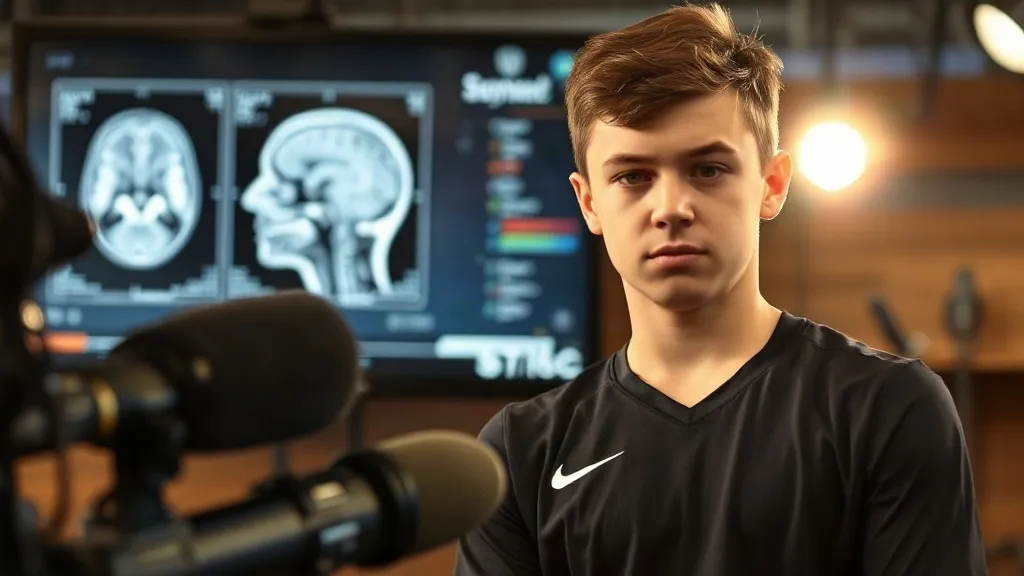
When Archie Goodburn, a Scottish athlete, shared his story on national television, few could have predicted the chain of events that would follow. Diagnosed with three inoperable brain tumours two years ago, Goodburn's emotional appeal for greater investment in brain cancer research struck a chord with viewers across the country. Among those moved to action was Andy Burnham, the Mayor of Greater Manchester, who subsequently met with Goodburn to discuss the urgent need for funding. This meeting marks a significant moment in the ongoing battle against brain cancer, a disease that remains one of the most underfunded relative to its impact.
Brain cancer, though relatively rare compared to other cancers, is particularly devastating. It claims more lives among children and adults under 40 than any other cancer. Yet, research funding has historically lagged behind other cancer types. Goodburn's plea brought this disparity into the public eye, underscoring the critical need for more resources. His personal story, combined with his athletic background, adds a compelling human dimension to the statistics. As a young athlete, Goodburn's diagnosis was a shock, but his response has been nothing short of heroic, turning his struggle into a platform for change.
The Power of Personal Stories in Advocacy
Personal narratives have long been a catalyst for social and political change. When individuals share their lived experiences, they humanise issues that might otherwise seem abstract. Goodburn's televised appeal is a prime example. By opening up about his diagnosis and the challenges he faces, he put a face to a disease that often remains in the shadows. This approach can be more effective than raw data alone in mobilising public opinion and prompting action from policymakers. It's not just about sympathy; it's about understanding the real-world implications of underfunding research.
In the UK, brain cancer research receives a fraction of the funding allocated to other cancers. According to some estimates, brain tumours receive less than 2% of the total cancer research budget, despite being the biggest cancer killer of children and adults under 40. This imbalance has been a point of frustration for patients, families, and researchers alike. Goodburn's appeal directly addressed this gap, calling for a reassessment of priorities. His message was clear: without more investment, progress in developing new treatments will continue to be painfully slow.
Andy Burnham's Response and the Meeting
Andy Burnham, known for his focus on health and social care, was quick to respond. The meeting between Burnham and Goodburn, while not yet yielding concrete policy changes, represents a crucial step in keeping the issue on the political agenda. Burnham has previously spoken about the need for greater investment in health research, and his engagement with Goodburn signals a willingness to listen and potentially advocate for change at higher levels of government.
During their meeting, Goodburn likely shared his personal journey and the specific challenges faced by brain cancer patients. They may have discussed the need for increased funding for research into new therapies, as well as better support for patients and their families. While the details of the conversation remain private, the fact that it took place is a victory in itself. It shows that individual voices can reach the ears of those in power, and that persistence pays off.
What This Means for Brain Cancer Research
The meeting could have several implications. First, it raises public awareness, which in turn can pressure policymakers to allocate more funds. Second, it may encourage other public figures to lend their support. Third, it could lead to concrete commitments from local and national government to review research funding. However, it's important to temper expectations; change rarely happens overnight. But every conversation, every meeting, builds momentum.
For patients and families affected by brain cancer, this development offers a glimmer of hope. It demonstrates that their struggles are not invisible and that advocates are working on their behalf. It also highlights the importance of continued advocacy. Goodburn's actions serve as a reminder that anyone can make a difference, regardless of their platform.
The Broader Context of Cancer Research Funding
Brain cancer is not the only disease facing a funding shortfall. Across the board, cancer research relies on a mix of government grants, charity funding, and private investment. However, the distribution of these funds often does not align with the burden of disease. Cancers that affect fewer people but have lower survival rates may receive less attention because they are less common. This is where advocacy becomes crucial. By shining a light on underfunded areas, advocates can help correct these imbalances.
In the UK, organisations like Cancer Research UK and Brain Tumour Research are working tirelessly to raise funds and awareness. But they cannot do it alone. Political support is essential. The meeting between Goodburn and Burnham is a step towards securing that support. It also underscores the role of local leaders in national conversations about health policy.
Looking Ahead: What Can Be Done?
While the meeting is a positive development, it is just the beginning. To truly make a difference, several actions are needed:
- Increased government funding for brain cancer research, earmarked specifically for innovative treatments and clinical trials.
- Streamlined approval processes for new drugs and therapies, so that patients can access them faster.
- Greater public awareness campaigns to educate people about the signs and symptoms of brain cancer, leading to earlier diagnosis.
- Support for patients and families, including mental health services and financial assistance.
These measures require a concerted effort from policymakers, healthcare professionals, researchers, and the public. Goodburn's advocacy is a catalyst, but sustained pressure is needed to bring about lasting change.
How You Can Get Involved
If you're inspired by Goodburn's story, there are ways to contribute. You can donate to brain cancer research charities, participate in fundraising events, or simply share information on social media to raise awareness. You can also contact your local representative to express support for increased research funding. Every action counts.
Moreover, if you or a loved one are affected by brain cancer, consider sharing your story. Personal narratives have the power to move people and drive change. As Goodburn has shown, speaking up can lead to unexpected opportunities and meaningful progress.
Frequently Asked Questions
What type of brain tumours was Archie Goodburn diagnosed with?
Archie Goodburn was diagnosed with three inoperable brain tumours. Inoperable means that the tumours cannot be removed surgically, often due to their location or other medical factors.
Who did Archie Goodburn meet with after his TV appeal?
He met with Andy Burnham, the Mayor of Greater Manchester, to discuss brain cancer research funding.
Why is brain cancer research underfunded?
Brain cancer is relatively rare compared to other cancers, which can lead to less funding. Additionally, research is complex and expensive. Advocacy efforts aim to address this disparity.
How can I support brain cancer research?
You can donate to reputable charities, participate in fundraising events, advocate for policy changes, and share information to raise awareness.
What impact did Archie Goodburn's TV appeal have?
It led to a meeting with Andy Burnham and raised public awareness about the need for increased investment in brain cancer research.