
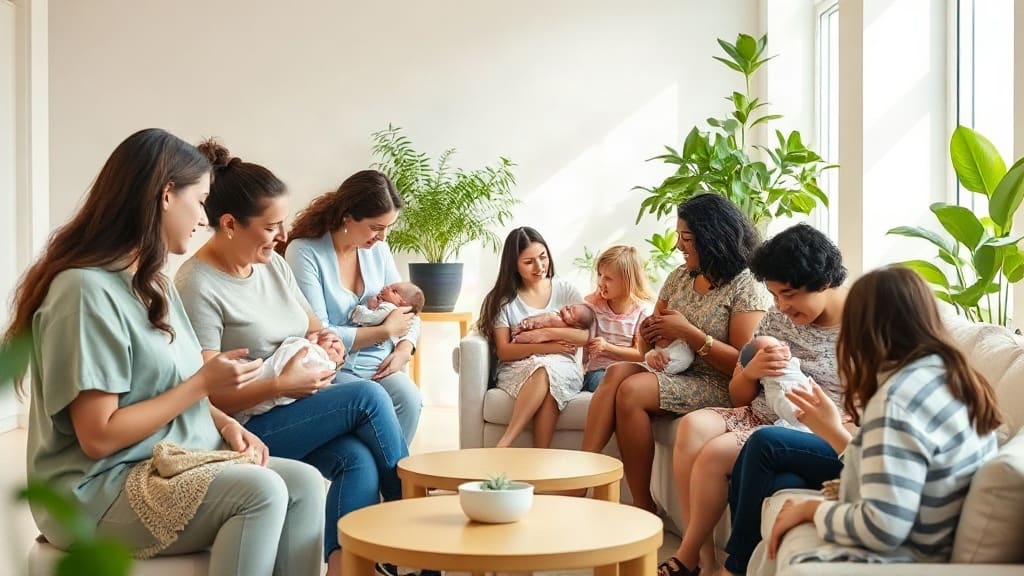
In a significant move to support families and give every child the best start in life, the government has announced the expansion of the Healthy Babies programme to all local authorities in England. The initiative, which draws on the principles of the Sure Start programme, is set to provide comprehensive support to parents and babies, focusing on infant feeding, parental mental health, and early bonding. This rollout marks a renewed commitment to early childhood development and family well-being, particularly in deprived communities.
A Modern Take on Sure Start
Sure Start, launched in 1998, was a flagship programme that aimed to tackle child poverty and improve outcomes for young children and their families through a network of children's centres. While it had its successes, it also faced criticism for inconsistent delivery and funding cuts over the years. The Healthy Babies programme seeks to build on that legacy by offering a more streamlined and evidence-based approach, ensuring that support reaches those who need it most.
At its core, the programme is designed to be holistic, addressing not just the physical health of the baby but also the emotional and mental well-being of the parents. By integrating services such as health visits, midwifery care, and parenting support, it aims to create a seamless experience for families from pregnancy through the early years.
Key Components of the Healthy Babies Programme
Infant Feeding Support
One of the central pillars of the programme is assistance with infant feeding. This includes guidance on breastfeeding, formula feeding, and the introduction of solid foods. Trained professionals will be available to offer advice and practical help, both in person and through digital platforms, ensuring that parents have access to reliable information when they need it. The emphasis is on empowering parents to make informed choices that suit their circumstances, without judgment.
Parental Mental Health
Recognising that the mental health of parents is intrinsically linked to the well-being of their babies, the programme places a strong focus on psychological support. Perinatal mental health issues affect up to 20% of women during pregnancy or in the first year after childbirth, according to the Royal College of Psychiatrists. The Healthy Babies programme will offer screening, counselling, and referral services to ensure that parents receive timely help. This aspect is particularly crucial as untreated mental health problems can have long-lasting effects on child development.
Bonding and Attachment
Another key element is promoting secure attachment between parents and babies. Through workshops and one-on-one sessions, parents will learn about responsive caregiving, skin-to-skin contact, and the importance of early interaction. These practices are known to foster healthy brain development and emotional resilience in children. The programme also provides support for fathers and non-birthing partners, acknowledging their vital role in the bonding process.
Why This Expansion Matters
The decision to extend the Healthy Babies programme across England comes at a critical time. The COVID-19 pandemic exacerbated existing inequalities, with many families facing increased isolation, financial strain, and reduced access to health services. Reports from the Institute of Health Visiting highlighted a rise in maternal mental health problems and a decline in breastfeeding rates during the pandemic. By investing in early intervention, the government hopes to mitigate these impacts and prevent long-term disadvantages.
Moreover, the programme aligns with broader public health goals, such as reducing health disparities and improving school readiness. Research consistently shows that the first 1001 days of a child's life, from conception to age two, are a period of rapid development that sets the foundation for future health and success. Supporting parents during this window can yield substantial returns, both socially and economically.
How It Will Be Implemented
The expansion will be phased, with local authorities working in partnership with health services, voluntary organisations, and community groups to tailor the programme to local needs. Funding will be allocated based on factors such as deprivation levels and birth rates, ensuring that resources are directed where they can make the most difference. A national oversight board will monitor progress and share best practices, while local teams will have flexibility to innovate.
To ensure accessibility, the programme will offer both in-person and virtual support options. Digital tools, including a dedicated app and online resources, will complement face-to-face services, making it easier for parents to access help at any time. This blended approach is particularly important for families in rural areas or those with limited mobility.
Potential Challenges and Criticisms
While the expansion has been broadly welcomed, some experts have raised concerns about funding and implementation. Previous initiatives like Sure Start suffered from inconsistent funding, leading to a postcode lottery in service quality. Critics argue that without sustained investment and clear accountability, the Healthy Babies programme could face similar pitfalls. Additionally, there are questions about workforce capacity: will there be enough health visitors, midwives, and mental health professionals to meet the increased demand?
The government has pledged to increase training places for health visitors and to provide additional funding for mental health services, but details remain sparse. Only time will tell if these commitments are sufficient to deliver on the programme's ambitious goals.
What This Means for Families
For parents, the expansion of the Healthy Babies programme could mean easier access to a range of support services under one roof. Instead of navigating multiple agencies, families can expect a more coordinated approach, with a single point of contact for advice and referrals. This could reduce stress and ensure that no one falls through the cracks.
Perhaps most importantly, the programme sends a clear message that parenting is a collective responsibility and that seeking help is a sign of strength, not weakness. By normalising conversations around infant feeding, mental health, and bonding, it has the potential to reduce stigma and build stronger, more resilient communities.
Frequently Asked Questions
What is the Healthy Babies programme?
The Healthy Babies programme is a government initiative in England that provides support to parents and babies, focusing on infant feeding, parental mental health, and bonding. It aims to give every child the best start in life by offering coordinated health and family services.
How can I access the Healthy Babies programme?
Services will be delivered through local authorities, children's centres, and health providers. Parents can ask their midwife, health visitor, or GP for a referral, or contact their local council for more information. Many services will also be accessible online.
Is the programme free?
Yes, the Healthy Babies programme is fully funded by the government and free at the point of use for all families in England.
Does the programme support fathers and partners?
Absolutely. The programme recognises the important role of fathers and non-birthing partners in a child's development and offers dedicated support for them, including workshops and one-on-one sessions.
What if I'm struggling with my mental health?
The programme includes mental health support for parents. You can speak to your health visitor, midwife, or GP, who can refer you to appropriate services. Help is available and confidential.