
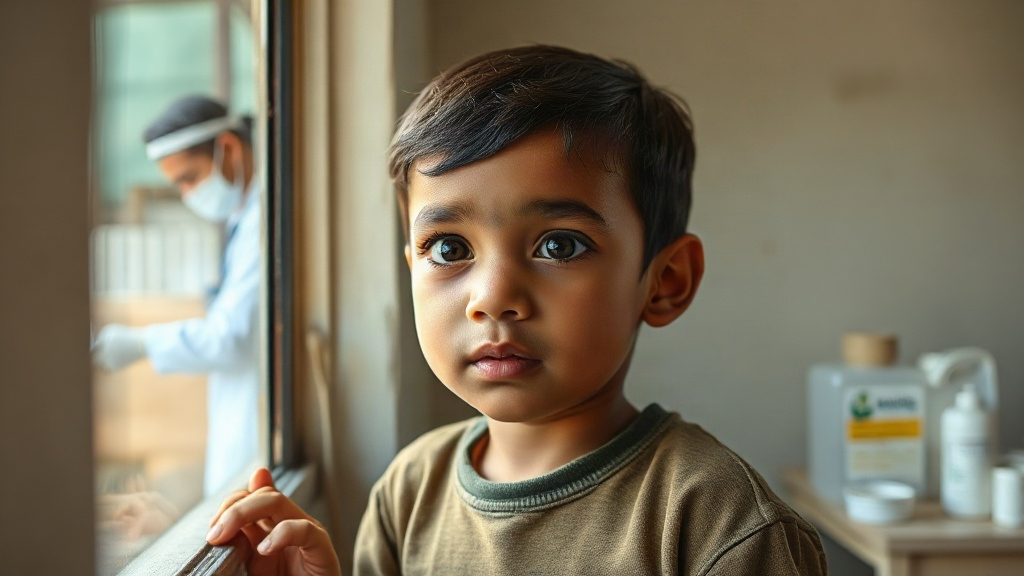
In the spring of 2019, the world learned of a devastating HIV outbreak in the small town of Ratodero, Pakistan. Over a thousand people, many of them children, had tested positive for the virus. The cause was traced back to a single pediatrician who reused syringes and needles, a practice driven by poverty and a lack of oversight. But what happened to those children? The short answer is that they are still here, still fighting, and their numbers have only grown. Pakistan's HIV crisis among children is not a story with a neat ending; it is an ongoing tragedy that exposes the deep fractures in the country's healthcare system.
The initial outbreak in Ratodero was a wake-up call, but it was not an isolated incident. Similar clusters have emerged in other parts of Sindh province and beyond. The common thread is always the same: unsafe injection practices, inadequate infection control, and a healthcare infrastructure that is stretched to its breaking point. For the children who were infected, the diagnosis was just the beginning of a lifelong battle against stigma, poverty, and a virus that requires daily medication.
The Roots of the Crisis: How Unsafe Healthcare Spreads HIV
Pakistan has one of the highest rates of therapeutic injections in the world. According to the World Health Organization, an average Pakistani receives around 13 injections per year, compared to the global average of about 2.9. Many of these injections are unnecessary, given for conditions that could be treated with oral medication. But in a country where patients often demand injections as a sign of effective treatment, and where doctors may profit from administering them, the culture of the needle is deeply entrenched.
The problem is compounded by the reuse of syringes. A single syringe might be used on multiple patients, especially in rural clinics and informal healthcare settings where supplies are scarce. Even in urban hospitals, lax protocols and a lack of training can lead to contamination. The result is the silent spread of blood-borne diseases like HIV, hepatitis B, and hepatitis C. Children are particularly vulnerable because they are often brought to these clinics for routine vaccinations or treatment of common illnesses.
The Ratodero Outbreak: A Case Study in Negligence
The Ratodero case became a symbol of this systemic failure. Dr. Muzaffar Ghanghro, a local pediatrician, was accused of reusing a single syringe on multiple children. He was arrested and later released on bail, but the damage was done. By the time authorities intervened, over 1,100 people had tested positive for HIV, including more than 900 children. The outbreak left families shattered. Parents who had brought their children for a simple fever or cough were suddenly faced with a lifetime of antiretroviral therapy.
What happened to those children after the cameras left? Many are still receiving treatment, but the journey is fraught with challenges. Antiretroviral drugs are available, but they must be taken every day for life. Missing doses can lead to drug resistance, making the virus harder to control. For families living in poverty, the cost of transportation to clinics, the loss of wages, and the social stigma of HIV can be overwhelming. Some children have died, not from the virus itself, but from secondary infections that their weakened immune systems could not fight off.
The Ongoing Struggle: Why New Cases Keep Emerging
Despite the international attention and government promises of reform, the unsafe practices that led to the Ratodero outbreak continue. In 2021, another cluster of HIV cases was reported in the city of Larkana, just a few hours from Ratodero. More recently, in 2023, health officials in Punjab province discovered dozens of children who had been infected at a rural health center. The pattern is depressingly familiar: a healthcare provider reusing syringes, a lack of basic infection control, and a delayed response from authorities.
The reasons for this persistence are complex. Pakistan's healthcare system is a patchwork of public and private providers, many of whom operate without proper regulation. There is a severe shortage of trained healthcare workers, particularly in rural areas. Those who do work in these settings often lack access to clean syringes, sterilizing equipment, or even running water. Corruption and weak enforcement mean that clinics that violate safety standards are rarely held accountable. And the stigma surrounding HIV means that patients and their families are often reluctant to speak out, fearing discrimination and social isolation.
The Human Cost: Living with HIV as a Child in Pakistan
For a child living with HIV in Pakistan, the challenges are immense. The virus itself can be managed with medication, but the social and emotional toll is often more devastating. Children face bullying and exclusion at school. Families may be shunned by their communities. In some cases, children have been expelled from schools or denied medical care because of their status. The psychological impact of living with a stigmatized disease can lead to depression, anxiety, and a sense of hopelessness.
Access to treatment is also uneven. While antiretroviral therapy is available free of charge at government hospitals, the quality of care varies. Some clinics lack pediatric formulations of the drugs, making it difficult for young children to take their medication. Side effects can be severe, and without proper monitoring, children may develop resistance to first-line drugs. The government has made efforts to improve access, but progress is slow, and many families are left to navigate the system on their own.
What Is Being Done? The Fight for Reform
In the wake of the Ratodero outbreak, the Pakistani government pledged to crack down on unsafe injection practices. The Drug Regulatory Authority of Pakistan (DRAP) issued new guidelines for the disposal of syringes and the use of auto-disable syringes, which cannot be reused. The government also launched awareness campaigns to educate healthcare workers and the public about the dangers of unsafe injections. International organizations like the WHO and UNICEF have provided technical support and funding for infection control programs.
But implementation has been patchy. Auto-disable syringes are still not universally available, and many healthcare workers have not been trained in their use. Inspections of clinics are rare, and penalties for violations are minimal. The root causes of the problem, including poverty, lack of education, and a healthcare system that prioritizes profit over safety, remain unaddressed. As a result, new outbreaks continue to occur, and the number of children living with HIV in Pakistan continues to rise.
The Role of International Aid and Local Activism
International aid has been crucial in providing treatment and support for affected children. Organizations like the Global Fund and UNAIDS have funded programs to expand access to antiretroviral therapy and to train healthcare workers in infection control. Local NGOs have also played a key role, providing psychosocial support, educational materials, and advocacy for policy change. These efforts have made a difference, but they are not a substitute for systemic reform.
One promising development is the growing awareness among the Pakistani public. Media coverage of the outbreaks has sparked outrage and demands for accountability. Parents who lost children to the virus have become vocal advocates for change. Social media campaigns have raised awareness about the dangers of unsafe injections and the importance of demanding clean needles. This grassroots pressure is slowly pushing the government to take the issue more seriously.
What the Future Holds: Can the Cycle Be Broken?
The story of the children infected with HIV in Pakistan is a stark reminder of what happens when healthcare systems fail. It is a story of negligence, greed, and indifference, but also one of resilience and hope. The children who survived the Ratodero outbreak are now teenagers, many of them thriving despite the odds. They are a testament to the power of medical treatment and the human spirit.
But for every child who is thriving, there are others who are not. The cycle of unsafe injections, new infections, and delayed responses will continue until the underlying issues are addressed. This means investing in healthcare infrastructure, training healthcare workers, enforcing safety regulations, and tackling the stigma that keeps people silent. It also means empowering communities to demand better care and holding those responsible for negligence accountable.
The question is not just what happened to those children, but what will happen to the next ones. The answer depends on whether Pakistan, with the help of the international community, can summon the will to fix a broken system. The children of Ratodero and Larkana and countless other towns deserve more than sympathy; they deserve action.
Frequently Asked Questions
How many children are currently living with HIV in Pakistan?
Exact numbers are difficult to determine due to underreporting and lack of comprehensive surveillance. However, estimates from UNAIDS suggest that there are tens of thousands of children living with HIV in Pakistan, with new infections occurring regularly, many of them linked to unsafe healthcare practices.
What are the main causes of HIV transmission in Pakistani children?
The primary cause is the reuse of contaminated syringes and needles in healthcare settings. Other factors include unsafe blood transfusions, lack of infection control during medical procedures, and, to a lesser extent, mother-to-child transmission during pregnancy, childbirth, or breastfeeding.
Is antiretroviral treatment available for children in Pakistan?
Yes, antiretroviral therapy (ART) is available free of charge at designated government hospitals and clinics. However, access can be limited in rural areas, and pediatric formulations are not always available. Adherence to treatment is also a challenge due to stigma and lack of support.
What is the government doing to prevent future outbreaks?
The government has introduced regulations requiring the use of auto-disable syringes and has issued guidelines for safe injection practices. However, enforcement is weak, and many healthcare facilities have not fully implemented these measures. There are ongoing efforts to train healthcare workers and raise public awareness, but progress is slow.
How can I help children affected by HIV in Pakistan?
You can support reputable NGOs working on HIV/AIDS in Pakistan, such as the Pakistan Red Crescent Society or local organizations like the Association of People Living with HIV. Donations can help provide medication, psychosocial support, and educational programs for affected children and their families.