
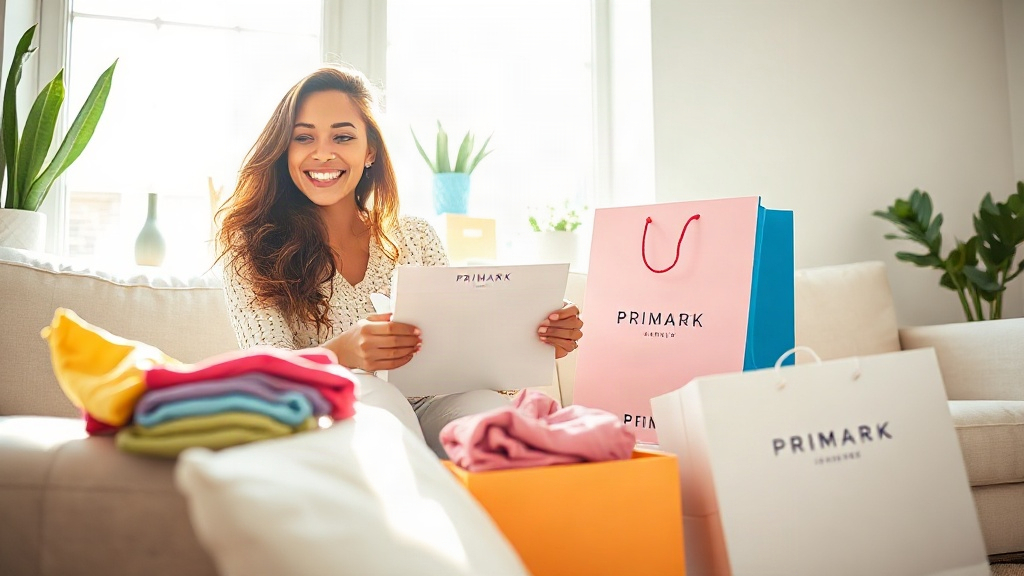
For years, Primark's business model was as simple as it was successful: offer incredibly cheap fashion in high-street stores and let customers carry their own bags home. That approach turned the Irish retailer into a global powerhouse, but it also meant leaving a huge chunk of the market on the table. Now, in a move that signals a seismic shift in strategy, Primark is finally bringing home delivery to Britain. The question on everyone's lips is not just how it will work, but whether the chain can make it pay.
Why Now? The Pressure Behind the Pivot
Primark has long resisted online sales, arguing that the low prices it charges simply cannot absorb the costs of picking, packing, and shipping individual orders. The maths was stark: a £2 t-shirt doesn't leave much room for a cardboard box and a courier fee. But the retail landscape has changed dramatically. The pandemic accelerated e-commerce adoption by years, and even budget-conscious shoppers now expect the convenience of home delivery. Competitors like H&M and Zara have invested heavily in their online operations, and pure-play fast-fashion giants like Shein have shown that ultra-low prices and home delivery can coexist.
Beyond the competitive pressure, there are internal factors at play. Primark is preparing to spin off from its parent company, Associated British Foods (ABF). Standing on its own two feet means proving to investors that it has a credible growth story. Expanding into e-commerce, even in a limited way, is a powerful signal that the brand is adapting to modern shopping habits. The company has already dipped its toes in the water with a click-and-collect service in the UK, but home delivery is a whole different ball game.
How the Service Will Work
Details are still emerging, but the core concept is straightforward: customers will be able to order selected Primark items online and have them delivered to their homes. The retailer is likely to start with a curated range rather than its full in-store assortment, focusing on products that are easier to ship and offer higher margins. Think basics, accessories, and perhaps some homeware, rather than the entire fashion collection.
One of the biggest challenges Primark faces is the economics of delivery. The company has said it is exploring ways to make the service financially viable, which could include minimum order thresholds, delivery fees, or a subscription model similar to Amazon Prime. There is also the question of returns. Handling returns is a significant cost for online retailers, and Primark's low prices mean that a high return rate could quickly erode any profit. The retailer may need to implement strict return policies or charge for returns to protect its bottom line.
What It Means for Shoppers
For British consumers, the arrival of Primark home delivery is a welcome development. The retailer's stores are often crowded, and the prospect of browsing and buying from the comfort of home is undeniably appealing. It also opens up Primark to customers who live far from a physical store or who have mobility issues. The convenience factor is huge, and it could attract a new segment of shoppers who previously overlooked the brand.
However, there are potential downsides. The in-store experience at Primark is a big part of its appeal. The thrill of discovering a bargain on the rack, the tactile feel of the fabrics, and the instant gratification of walking out with a full bag are all lost when shopping online. Primark will need to work hard to replicate that sense of excitement in a digital environment. Additionally, if the delivery costs are too high or the product range too limited, shoppers may be disappointed and stick to other online retailers.
The Competitive Landscape
Primark's entry into home delivery will shake up the UK fashion market. It puts direct pressure on budget online retailers like Boohoo, ASOS, and Shein, which have built their businesses on low prices and fast delivery. Primark's brand recognition and loyal customer base give it a significant advantage, but it will need to execute flawlessly to compete. The retailer's supply chain, which is optimized for shipping large volumes to stores, will need to be adapted for individual orders. This is a complex and costly undertaking, and there will inevitably be teething problems.
At the same time, traditional high-street rivals like H&M and Zara will be watching closely. If Primark can make home delivery work at its price points, it could force others to rethink their own strategies. The move could also accelerate the shift away from physical stores, putting further pressure on already struggling high streets. However, Primark has stressed that its stores remain central to its business, and home delivery is intended to complement, not replace, the in-store experience.
The Bigger Picture: A Strategic Bet
Primark's decision to launch home delivery in Britain is more than just a new service; it is a strategic bet on the future of the brand. The company is gambling that it can expand its reach without diluting its core identity as a bricks-and-mortar retailer. It is a delicate balancing act, and the stakes are high. If the service succeeds, Primark could unlock a new era of growth and fend off the online challengers. If it fails, it could damage the brand's reputation and waste millions of pounds.
Early signs suggest that Primark is taking a cautious, measured approach. The retailer has been testing the waters with click-and-collect, and it is likely to launch home delivery with a limited pilot before rolling it out nationwide. This pragmatic strategy is wise, given the complexities involved. The company has also acknowledged that trading in Europe has been challenging, but it says customers are responding well to its price-cutting campaign. This suggests that Primark is confident in its value proposition and believes it can extend that value online.
In the end, the success of Primark's home delivery service will come down to execution. Can the retailer deliver the same level of value and excitement online as it does in its stores? Can it manage the logistics and costs effectively? Only time will tell, but one thing is certain: the British retail landscape is about to get a lot more interesting.
Frequently Asked Questions
When will Primark home delivery be available in Britain?
Primark has not announced an exact launch date, but the service is expected to roll out in the near future as the company prepares for its split from ABF. It is likely to start with a pilot in selected areas before expanding nationwide.
How much will Primark charge for home delivery?
Pricing details have not been confirmed. Primark is exploring various options to make the service financially viable, which could include delivery fees, minimum order thresholds, or a subscription model. The company has said it is committed to keeping prices low, so any fees are likely to be competitive.
Will Primark's full product range be available for home delivery?
Initially, Primark is expected to offer a curated selection of items for home delivery, focusing on products that are easier to ship and offer higher margins. The full in-store range may not be available online at launch.
Can I return items bought online from Primark?
Primark's return policy for online orders has not been fully detailed. Given the low price points, the retailer may implement stricter return policies or charge for returns to manage costs. Customers should check the official website for updates.
Will Primark home delivery be available in other countries?
Primark is launching home delivery in Britain first, but the company has hinted that it may expand the service to other markets if it proves successful. The retailer operates in several European countries and the US, so a wider rollout is possible in the future.