
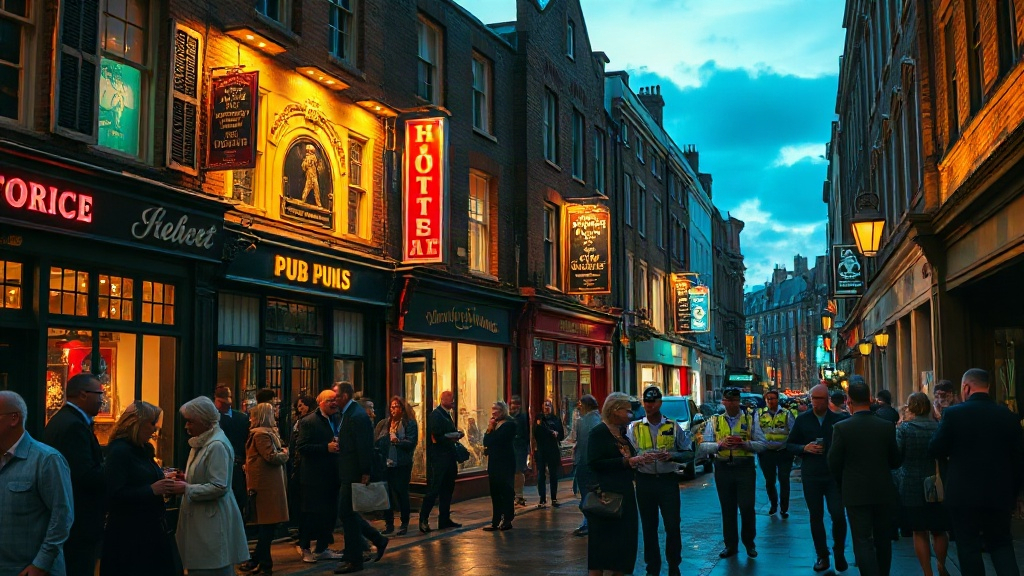
London's vibrant nightlife scene is facing a new challenge as Westminster City Council has confirmed it will press ahead with restrictions on vertical drinking in Soho, a move that has drawn sharp criticism from Mayor Sadiq Khan. The decision, which effectively bans new bars and pubs in one of Europe's most famous entertainment districts, has been described by the mayor as 'breathtaking arrogance' after the council appeared to ignore the results of its own public consultation.
The row centres on the council's 'cumulative impact zone', a policy that makes it extremely difficult for new licensed premises to open in Soho and the wider West End. Under the rules, applications for bars and pubs can only be approved in 'exceptional circumstances', a threshold that critics argue is almost impossible to meet. The policy has been in place for some time, but its renewal has sparked a fierce debate about the future of London's hospitality industry.
What has angered Khan and many local businesses is the fact that the council's own consultation showed overwhelming opposition to the restrictions. According to the data, 81% of respondents disagreed with the cumulative impact zone, and 84% said the licensing policy would be bad for business. Despite this, Westminster has chosen to keep the measures in place, leading to accusations that it is out of touch with the community it serves.
The mayor did not mince his words when addressing the issue. In a statement, he accused the Conservative-led council of 'ignoring' the views of those who took part in the consultation, describing the approach as 'breathtaking arrogance'. Khan has long positioned himself as a champion of London's nightlife, having established the role of Night Czar and supported various initiatives to protect venues from closure. His intervention signals a significant political clash over the future of the West End.
Why vertical drinking matters to Soho's character
For those unfamiliar with the term, 'vertical drinking' refers to the practice of standing while consuming alcoholic drinks, typically in pubs and bars without seated areas. It is a tradition that has defined British pub culture for centuries, and Soho has been at the heart of that experience. The area's narrow streets and historic venues have long attracted a mix of locals, tourists, and creative workers looking for a lively atmosphere.
Critics of the restrictions argue that banning vertical drinking strips away the very essence of what makes Soho special. They point out that many of the area's most beloved institutions, from traditional pubs to modern cocktail bars, rely on standing room to accommodate customers, especially during peak hours. By effectively preventing new venues from opening, the council is accused of stifling innovation and driving business away to other parts of London.
Supporters of the policy, however, claim it is necessary to manage the impact of late-night drinking on local residents. Westminster has long grappled with issues of noise, anti-social behaviour, and litter in the West End, and the cumulative impact zone is designed to limit the concentration of licensed premises. But opponents argue that the policy is a blunt instrument that punishes responsible operators while doing little to address underlying problems.
The consultation that sparked controversy
The public consultation on Westminster's licensing policy ran for several weeks and attracted a significant response. When the results were published, they revealed a clear message: the vast majority of participants did not support the restrictions. 81% disagreed with the cumulative impact zone, and a similar proportion felt the policy would harm the local economy. Yet the council chose to retain the measures, prompting accusations of a sham consultation.
Local business owners have expressed frustration at what they see as a lack of genuine engagement. One Soho pub manager, who asked not to be named, said: 'We were told our views would be heard, but it feels like the decision was already made. It's disheartening to see the council ignore so many voices.' Such sentiments have been echoed by industry bodies, which have warned that the restrictions could lead to job losses and a decline in the area's cultural vitality.
The mayor's criticism has added political weight to the debate. Khan has accused Westminster of failing to listen to Londoners and of damaging the city's reputation as a global destination for nightlife. He has called on the council to reconsider its approach and work with businesses to find a balanced solution that addresses residents' concerns without stifling the local economy.
What this means for London's nightlife
The decision to keep the restrictions in place comes at a difficult time for the hospitality industry. Many venues are still recovering from the impact of the pandemic, and rising costs have put additional pressure on operators. The cumulative impact zone could deter investment in Soho, pushing new businesses to other areas such as Shoreditch or Brixton, which have their own thriving nightlife scenes.
There are also concerns about the broader signal this sends. If Westminster is willing to ignore its own consultation, what does that mean for other boroughs? Some fear that similar policies could be adopted elsewhere in London, further limiting the options for those who enjoy a night out. The Night Time Industries Association has warned that the capital's nightlife is at a 'tipping point' and urged councils to support rather than hinder the sector.
Despite the controversy, Westminster has defended its position. A council spokesperson stated that the policy is 'designed to protect residents and ensure a safe and enjoyable environment for everyone'. They added that the council had considered all consultation responses carefully and that the cumulative impact zone was a 'necessary measure' to manage the unique pressures of the West End. However, this explanation has done little to appease critics, who point to the overwhelming public opposition.
Political fallout and next steps
The clash between Khan and Westminster is not just a local dispute; it reflects a wider tension between London's mayor and Conservative-led councils on issues of licensing and urban development. Khan has frequently used his platform to advocate for a more liberal approach to nightlife, arguing that it is essential to London's economy and cultural identity. This latest row is likely to fuel further debate in the run-up to future elections.
For now, the restrictions will remain in place, and new applications for bars and pubs in Soho will face an uphill battle. Existing venues can continue to operate, but the freeze on new licences could gradually change the character of the area. Some fear that Soho will lose its edge, becoming more sanitised and less appealing to the diverse crowds that have made it famous.
There is, however, a glimmer of hope for opponents of the policy. Legal challenges are possible, and the mayor could potentially use his planning powers to intervene in certain cases. Additionally, the ongoing public outcry may prompt a review of the policy in the future. For the time being, though, the message from Westminster is clear: the restrictions are here to stay.
Frequently asked questions
What exactly is vertical drinking?
Vertical drinking is a term used to describe consuming alcoholic beverages while standing up, as opposed to sitting at a table. It is common in pubs and bars where space is limited, and it has long been a feature of British pub culture, particularly in busy urban areas like Soho.
Why did Westminster council introduce the cumulative impact zone?
The council introduced the policy to address concerns about the negative effects of a high concentration of licensed premises, such as noise, anti-social behaviour, and litter. The zone makes it harder for new bars and pubs to open by requiring applicants to demonstrate 'exceptional circumstances'.
What did the public consultation show?
The consultation revealed that the majority of respondents opposed the restrictions. Specifically, 81% disagreed with the cumulative impact zone, and 84% believed the policy would be bad for business. Despite this, the council chose to keep the measures in place.
How has Sadiq Khan responded to the decision?
Mayor Sadiq Khan has strongly criticised the council, accusing it of 'breathtaking arrogance' and of ignoring the consultation results. He has called on Westminster to reconsider the policy and work with businesses to find a more balanced approach.
Will existing pubs in Soho be affected?
Existing venues can continue to operate under their current licences, but the policy prevents new bars and pubs from opening unless they meet very strict criteria. This could limit the variety and number of venues in the area over time.