
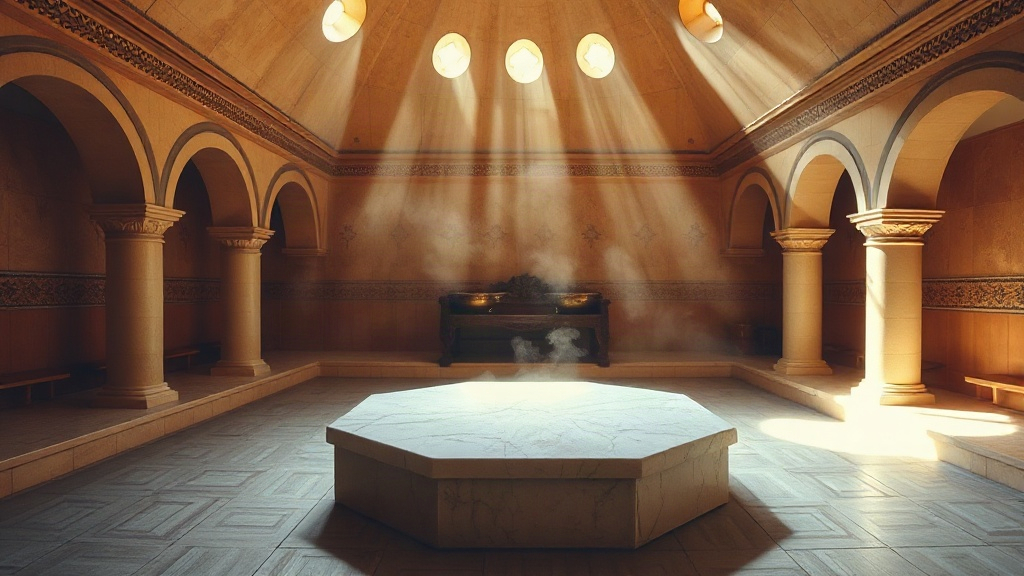
Stepping into a turkish bath is like entering a sanctuary where time slows down and the outside world fades away. The warm, marble-clad chambers, the soft echo of running water, and the gentle steam envelop you in a ritual that has been cherished for centuries. Whether you are a seasoned spa-goer or a curious traveler, the turkish bath offers a unique blend of cleansing, relaxation, and cultural immersion that few other experiences can match.
Maybe you have searched for a turkish bath near me after hearing friends rave about their visit, or perhaps you encountered the concept in a travel documentary. Regardless of how you arrived here, this guide will walk you through everything you need to know: the history, the step-by-step process, the health benefits, and practical tips to make the most of your first visit. By the end, you will understand why this ancient practice remains a beloved wellness tradition around the globe.
What Exactly Is a Turkish Bath?
A turkish bath, also known as a hammam, is a type of steam bath that originated in the Middle East and was later perfected by the Ottoman Turks. Unlike a Scandinavian sauna, which uses dry heat, a hammam relies on high humidity and moderate temperatures to open the pores and relax the muscles. The experience typically unfolds in a series of rooms with increasing heat, culminating in a central, heated marble platform where bathers lie down to sweat and receive a vigorous scrub and foam massage.
The hammam is more than just a place to get clean. Historically, it served as a social hub where people gathered to gossip, celebrate weddings, and even conduct business. Today, many modern spas have adopted the concept, offering luxurious treatments that blend traditional techniques with contemporary amenities. However, the core elements remain the same: heat, water, and human touch.
A Journey Through History
The roots of the turkish bath stretch back to the Roman thermae and Byzantine bathing culture. When the Ottomans conquered Constantinople in 1453, they embraced and adapted these bathing traditions, adding their own Islamic emphasis on cleanliness and purification. The result was the hammam, a grand architectural marvel often built near mosques as part of a charitable complex.
In the Ottoman Empire, hammams were not just for the elite; they were open to people of all classes, though men and women bathed separately or at different times. For women, especially, the hammam was a rare opportunity to socialize outside the home, and it became a central part of wedding rituals and other celebrations. The tradition spread across the empire, from Istanbul to Cairo, and later influenced bathing cultures in Europe and beyond.
Today, many historic hammams still operate, offering visitors a chance to step back in time. The Çemberlitaş Hammam in Istanbul, designed by the great architect Mimar Sinan in 1584, is a prime example. Its soaring domes, pierced with star-shaped skylights, create an otherworldly atmosphere that has changed little over the centuries.
What to Expect During Your Visit
If you have never been to a turkish bath, the prospect can be both exciting and a little intimidating. Here is a step-by-step breakdown of a typical experience, so you know exactly what to anticipate.
Arrival and Preparation
Upon entering, you will be given a thin cotton wrap called a peştamal, along with a pair of wooden clogs or plastic slippers. You will change in a private cubicle, leaving your clothes in a locker. Some traditional hammams provide a small copper bowl for pouring water over yourself, while modern spas may offer more amenities. It is customary to keep your peştamal on throughout the session, and in mixed-gender facilities, swimwear is usually required.
The Warm Room
Your journey begins in a moderately heated room where your body starts to acclimate. Here, you can relax on a marble bench, sip water, and let the warmth begin to loosen your muscles. This stage is crucial for preparing your skin for the exfoliation to come.
The Hot Room and Göbek Taşı
Next, you move to the main chamber, the hottest part of the hammam. In the center lies a large, heated marble platform called the göbek taşı (belly stone). You will lie on this stone, feeling the heat radiate through your body, opening your pores and inducing a deep sweat. The atmosphere is humid and steamy, often with soft light filtering through domed ceilings. This is the moment to let go of tension and simply breathe.
The Kese Scrub
After about 15 to 20 minutes of sweating, an attendant (called a tellak for men or natır for women) will come to perform the kese, a vigorous full-body exfoliation using a coarse mitt. You might be surprised by the amount of dead skin that rolls off, but this is a sign that the treatment is working. The scrub leaves your skin incredibly smooth and invigorated.
The Foam Massage
Following the scrub, the attendant will rinse you off and then create a mountain of fragrant foam using a special cloth bag. This foam is spread over your body, and you receive a relaxing massage as the soap works its magic. The combination of warm water, soft suds, and skilled hands is profoundly soothing.
Cooling Down and Rest
After the massage, you are led to a cooler room to rest and rehydrate. Many hammams offer tea, Turkish delight, or sherbet. Your skin will feel tingly and fresh, and you will likely experience a sense of calm that lingers for hours. Take your time here; there is no rush.
Health Benefits of the Turkish Bath
Beyond the sheer pleasure of the experience, a turkish bath offers numerous health benefits that have been recognized for centuries. Here are some of the most notable:
- Deep cleansing: The combination of steam and exfoliation removes dead skin cells, unclogs pores, and detoxifies the body through sweating.
- Improved circulation: The heat dilates blood vessels, increasing blood flow and delivering more oxygen to tissues.
- Muscle relaxation: The warmth and massage help relieve tension and soothe sore muscles, making it an excellent recovery tool for athletes.
- Stress reduction: The tranquil environment and mindful ritual promote mental relaxation, reducing anxiety and improving mood.
- Respiratory relief: The humid air can help clear congestion and ease breathing, especially beneficial for those with mild respiratory issues.
- Skin health: Regular exfoliation can improve skin texture and tone, and the steam helps hydrate dry skin.
It is important to note that while a hammam is generally safe for most people, those with certain medical conditions such as heart problems, high blood pressure, or pregnancy should consult a doctor before visiting. Always stay hydrated and listen to your body.
Finding a Turkish Bath Near You
If you are eager to experience this ritual, you might be wondering how to find a turkish bath near me. The good news is that hammams have become increasingly popular worldwide, and many cities now boast authentic or modern interpretations. Here are some tips for locating a quality establishment:
- Search online: A simple web search for turkish bath near me will yield local options. Check reviews on platforms like Google, Yelp, or TripAdvisor to gauge authenticity and quality.
- Ask for recommendations: Word of mouth is powerful. Friends, family, or local community groups can point you to hidden gems.
- Look for cultural centers: In cities with significant Turkish or Middle Eastern communities, you are more likely to find traditional hammams run by experienced practitioners.
- Consider spa resorts: Many high-end hotels and wellness resorts now offer hammam treatments as part of their spa menus, often with a modern twist.
When choosing a place, pay attention to cleanliness, the professionalism of the staff, and the overall ambiance. A genuine hammam will make you feel welcomed and cared for from the moment you walk in.
Etiquette and Tips for First-Timers
To ensure a smooth and enjoyable experience, keep these practical tips in mind:
- Arrive hydrated: Drink plenty of water before your session, and continue to hydrate afterward.
- Don't eat a heavy meal: A light snack is fine, but avoid large meals for at least an hour before bathing.
- Respect the dress code: Wear the provided peştamal or your swimwear as instructed. In traditional single-gender hammams, nudity may be more common, but always follow local customs.
- Communicate your preferences: Let the attendant know if you prefer a gentler scrub or have any sensitive areas.
- Bring a change of clothes: You will want fresh clothes to change into after your bath, as your skin will be glowing and you will feel refreshed.
- Take your time: Do not rush. The hammam is meant to be savored, so allow at least an hour for the full experience.
The Modern Hammam: Blending Tradition with Luxury
While traditional hammams are still cherished, many contemporary spas have reimagined the turkish bath for a modern audience. These establishments often combine the classic elements of heat, steam, and exfoliation with additional treatments such as aromatherapy, mud masks, and deep tissue massage. The result is a luxurious experience that appeals to those seeking both wellness and indulgence.
Some modern hammams are coed and require swimwear, while others maintain separate hours for men and women. The core philosophy remains the same: to cleanse the body, calm the mind, and foster a sense of community. Whether you choose a centuries-old bathhouse in Istanbul or a chic spa in New York, the essence of the hammam endures.
Why You Should Try a Turkish Bath at Least Once
In a world that often feels rushed and disconnected, the turkish bath offers a rare opportunity to slow down and reconnect with yourself. It is not just about getting clean; it is about honoring a tradition that has nurtured countless generations. The warmth of the marble, the skill of the attendants, and the shared experience with others create a profound sense of well-being that is hard to replicate elsewhere.
If you have been searching for a turkish bath near me, consider this your sign to book a visit. Whether you are looking to relieve stress, improve your skin, or simply try something new, the hammam promises an unforgettable journey for your senses. Step inside, let the steam embrace you, and emerge renewed in body and spirit.
Frequently Asked Questions
How often should I go to a Turkish bath?
The frequency depends on your skin type and personal preference. For most people, once a month is sufficient to enjoy the benefits without over-exfoliating. If you have sensitive skin, you may want to limit visits to every six to eight weeks. Listen to your body and adjust accordingly.
Is a Turkish bath suitable for men and women?
Yes, absolutely. Traditional hammams often have separate sections or designated times for men and women, while many modern spas are coed. If you are uncomfortable with mixed-gender settings, simply check the establishment's policy before booking.
What should I bring to a Turkish bath?
Most hammams provide everything you need, including a peştamal, slippers, and toiletries. However, you may want to bring a swimsuit (if required), a change of underwear, a hair tie, and a water bottle. Some people also bring their own exfoliating mitt for hygiene reasons.
Can I get a Turkish bath if I have sensitive skin?
Yes, but you should inform the attendant beforehand so they can use a gentler touch or a softer mitt. The steam itself is generally beneficial for all skin types, but the vigorous scrub may be too intense for those with conditions like eczema or psoriasis. Consult a dermatologist if you have concerns.
What is the difference between a Turkish bath and a sauna?
The main difference lies in humidity and temperature. A sauna uses dry heat, typically between 70°C and 100°C, with low humidity. A turkish bath uses moist heat at a lower temperature, usually around 40°C to 50°C, with nearly 100% humidity. The hammam also includes a ritual of exfoliation and massage, which a sauna does not.