
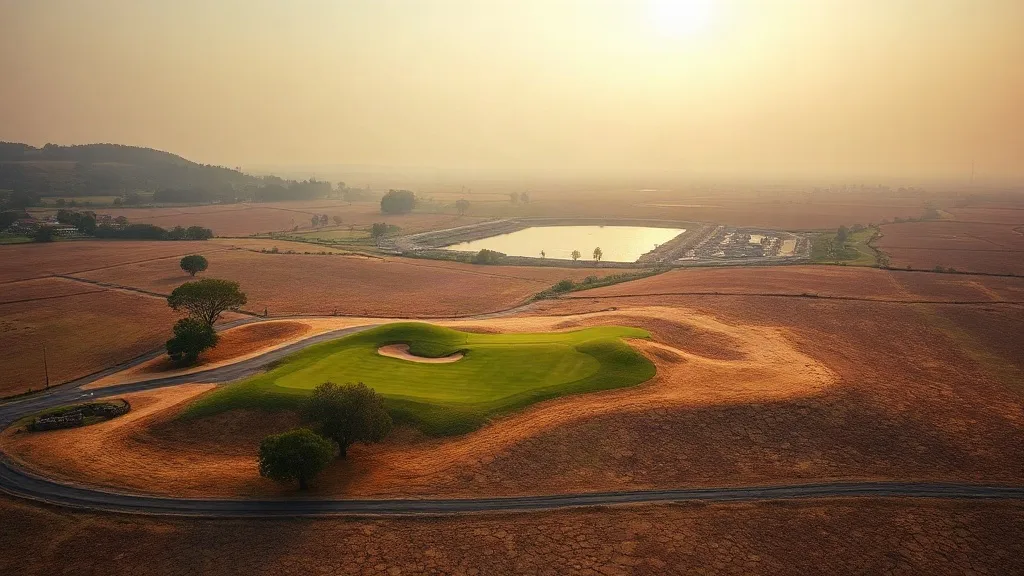
England's prolonged dry spell has pushed water resources to the brink, prompting three water companies to pursue severe restrictions on commercial water use. The proposed measures, known as non-essential use bans, would target golf clubs, private schools, and commercial car washes, prohibiting them from using mains water for activities like irrigating sports fields or washing vehicles. While the specifics vary by company, the intent is clear: to safeguard dwindling supplies for households and essential services. The move has ignited a broader conversation about how water is allocated during scarcity, who bears the burden of conservation, and whether such bans are a fair or effective response to a growing crisis.
The Drought Context: Why Now?
England has experienced below-average rainfall for months, leaving reservoirs, rivers, and groundwater at critically low levels. According to the Environment Agency, many parts of the country are officially in drought, with some areas facing their driest conditions in decades. The pressure on water sources is not just about quantity; low river flows also threaten aquatic ecosystems, wildlife, and water quality. In response, water companies have already implemented hosepipe bans for domestic customers, but they argue that tougher measures are needed to prevent more drastic shortages next year. The proposed non-essential use bans represent a step up in severity, targeting commercial users whose consumption, while a small fraction of total demand, is highly visible and often perceived as wasteful.
What Are Non-Essential Use Bans?
Non-essential use bans are a legal tool available to water companies under the Water Industry Act 1991. They allow companies, with approval from the Secretary of State, to prohibit or restrict certain uses of water that are deemed non-essential. Historically, these bans have been rare, reserved for extreme situations. They differ from ordinary hosepipe bans in that they can apply to specific business activities, such as:
- Using mains water to irrigate golf courses, bowling greens, and sports pitches.
- Washing vehicles at commercial car washes that are not connected to a water recycling system.
- Filling or maintaining ornamental ponds and fountains.
- Cleaning building exteriors, windows, or paths with a hose.
For businesses, the implications can be significant. A golf club that relies on irrigation to keep its course playable may face reduced revenue if conditions deteriorate. Private schools with extensive grounds might see playing fields become unusable, affecting sports programs. Car washes could be forced to close temporarily, impacting livelihoods. Yet water companies contend that these restrictions are necessary to protect public water supply and the environment.
Which Businesses Are Affected and How?
The three water companies seeking these bans have not yet released a full list of affected parties, but the categories mentioned in initial announcements suggest a focus on large, discretionary water users. Golf clubs are a prime example: a single 18-hole course can consume thousands of litres per day in dry weather, equivalent to the daily usage of hundreds of households. Private schools, particularly those with boarding facilities and extensive grounds, also rank among high-volume users. Commercial car washes, while individually smaller, collectively use substantial amounts of potable water, often without recirculation systems.
For these businesses, the bans could mean operational changes, financial losses, and difficult choices. Some golf clubs have already invested in alternative water sources, such as boreholes or stored rainwater, but not all have the means or permissions to do so. Car washes might switch to waterless products or mobile services, but these options are not always viable at scale. Schools could reduce irrigation, let fields brown, and limit outdoor activities. The bans would not apply to essential uses like drinking, sanitation, or firefighting, but the line between essential and non-essential is not always clear-cut.
The Debate: Fairness, Effectiveness, and Alternatives
The proposed bans have sparked a debate about fairness and priorities. Critics argue that targeting businesses while allowing households to continue using water for swimming pools or extensive gardens seems inconsistent. They point out that domestic consumption still accounts for the majority of water use, and that fixing leaks, which lose billions of litres daily, would be a more effective first step. Water companies counter that they are accelerating leak repairs and that everyone must contribute. They also note that non-essential use bans are a last resort, not a first response.
From an economic perspective, the bans could have ripple effects. Golf clubs and car washes employ thousands of people and contribute to local economies. A prolonged ban could lead to layoffs or closures, particularly for small businesses with thin margins. Schools might face pressure to maintain facilities, potentially increasing costs. However, the long-term cost of inaction could be far greater if water shortages lead to standpipes or rationing. The challenge is balancing short-term economic pain with long-term resource security.
What This Means for the Future of Water Management
The drought is a wake-up call for England's water infrastructure and policies. Climate change is expected to make dry summers more frequent and intense, while population growth increases demand. The current system, which relies on unpredictable rainfall and aging infrastructure, is under strain. Experts argue that a more holistic approach is needed, including:
- Investment in new reservoirs and water transfer networks.
- Mandatory water efficiency standards for new buildings and appliances.
- Incentives for businesses to adopt water-saving technologies.
- Reform of abstraction licenses to protect rivers.
Non-essential use bans are a symptom of a system under stress, not a solution. They may buy time, but without systemic change, England could face increasingly severe restrictions in the years ahead. For businesses, the message is clear: water is no longer a cheap, unlimited resource. Adapting to this new reality will require innovation, investment, and collaboration between companies, regulators, and communities.
Frequently Asked Questions
What exactly is a non-essential use ban?
A non-essential use ban is a legal restriction that water companies can impose during severe shortages to prohibit certain uses of mains water that are not considered essential for health, safety, or basic sanitation. Examples include watering lawns, washing cars, and filling ornamental ponds.
Which businesses are most likely to be affected?
Golf clubs, private schools with large grounds, commercial car washes, and other businesses that use significant amounts of water for irrigation or cleaning are the primary targets. The exact list depends on the water company and the severity of the drought.
Can businesses find alternative water sources?
Some can, by installing rainwater harvesting systems, using boreholes, or recycling water. However, these solutions require investment and may be subject to environmental permits. Not all businesses have the financial or technical capacity to adapt quickly.
How long might these bans last?
The duration depends on rainfall and reservoir levels. Bans typically remain in place until water resources recover, which could be months or even longer if the drought persists. Water companies review restrictions regularly.
What can households do to help?
Households can reduce water use by fixing leaks, taking shorter showers, running dishwashers and washing machines only when full, and using water butts for gardening. Every litre saved helps ease pressure on supplies and the environment.