
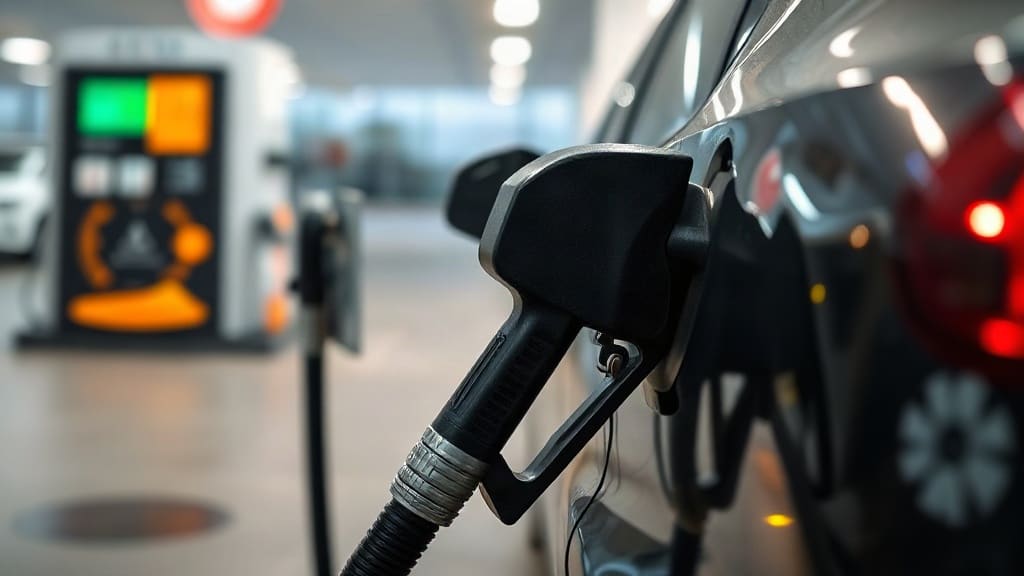
British households are feeling the pinch at the pumps and beyond, as the UK's inflation rate climbed to 3.1% in the year to August. This marks a notable uptick from the 2% recorded in July, and it's a figure that could influence everything from the cost of your weekly shop to the Bank of England's next move on interest rates. While the headline number might seem like a dry statistic, behind it lies a complex story of global energy markets, supply chain pressures, and the daily realities of budgeting for millions of families.
What's Driving the Increase?
The primary culprit behind August's inflation surge is higher fuel costs. Petrol and diesel prices have been on an upward trajectory, reflecting a combination of rising crude oil prices and supply constraints. The Office for National Statistics (ONS) reported that the average price of petrol rose by 3.8 pence per litre between July and August, while diesel jumped by 4.5 pence per litre. For a typical family car with a 55-litre tank, that translates to an extra £2 or more per fill-up compared to just a month earlier.
But fuel isn't the only factor. Food prices, while not accelerating as dramatically, continue to edge upward. The cost of essentials like bread, dairy, and meat has been creeping higher, partly due to increased transportation costs and labour shortages in the food processing sector. Additionally, the comparison with last year's figures plays a role: August 2020 saw a temporary VAT cut for the hospitality sector, which artificially depressed prices. As that effect fades, the year-on-year comparison looks steeper.
Breaking Down the Numbers
To understand the 3.1% figure, it's helpful to look at the components. The Consumer Prices Index (CPI) includes a basket of goods and services, and within that basket, some categories are rising faster than others. Transport costs, which include fuel, saw an annual increase of 9.1% in August, the highest rate since April 2011. This was the single biggest contributor to the overall inflation rate. Housing and household services, including energy bills, also rose, though the full impact of the recent energy price cap increase won't be felt until October's data.
Interestingly, some areas saw price falls. Clothing and footwear prices dipped by 0.2% compared to a year ago, as retailers offered discounts to clear summer stock. Recreation and culture costs also remained relatively subdued. This divergence means that the inflation experience varies significantly from household to household. A family that drives long distances and heats a large home will feel the pinch far more acutely than a young professional living in a city centre with no car.
The Impact on Household Budgets
For ordinary Britons, the rise in inflation has very real consequences. Wages have not kept pace with price increases for many workers, meaning that real incomes are effectively shrinking. According to the ONS, average weekly earnings grew by 4.1% in the three months to July, but once inflation is factored in, that growth drops to just 0.3%. In other words, the purchasing power of the average pay packet is barely budging.
This squeeze is most apparent in discretionary spending. Families are cutting back on non-essentials like eating out, entertainment, and holidays. A recent survey by a leading consumer group found that nearly half of UK adults are worried about their ability to meet essential costs over the coming months. The situation is particularly acute for those on fixed incomes, such as pensioners, who do not benefit from wage increases.
Moreover, the timing couldn't be worse. With the end of the furlough scheme and the reduction in Universal Credit, many households are facing a triple whammy of rising costs, reduced benefits, and job uncertainty. Charities have warned of a looming crisis in living standards, with food bank usage expected to rise sharply in the run-up to Christmas.
What Does This Mean for the Bank of England?
The Bank of England has a target of keeping inflation at 2%, and the current rate of 3.1% is significantly above that. The Bank's Monetary Policy Committee (MPC) has been closely monitoring the situation, and the August data will likely intensify the debate about when to start raising interest rates. However, the Bank has consistently argued that the current spike in inflation is 'transitory' – a temporary phenomenon driven by base effects and supply chain disruptions that will resolve itself over time.
Yet, there are signs that some price pressures may be more persistent. Energy prices are expected to remain elevated through the winter, and the labour shortages in sectors like logistics and hospitality could lead to sustained wage growth, which in turn feeds into higher prices. If inflation expectations become entrenched, the Bank may be forced to act sooner than it would like. An interest rate hike would cool demand and help bring inflation back to target, but it would also increase borrowing costs for businesses and households, potentially choking off the economic recovery.
Financial markets are currently pricing in a first rate rise from 0.1% to 0.25% by February 2022, with a further increase to 0.5% by the end of next year. However, the MPC's own communications have been mixed. Governor Andrew Bailey has acknowledged that inflation could exceed 4% by the end of the year, but he has also stressed that the Bank will not overreact to temporary factors. The next MPC meeting on 23 September will be closely watched for any shift in tone.
The Broader Economic Context
The UK is not alone in experiencing a surge in inflation. Many advanced economies are grappling with similar issues, as the global economy rebounds from the pandemic. In the United States, inflation hit 5.3% in August, while the Eurozone saw a rate of 3%. The common threads are higher energy prices, supply chain bottlenecks, and a surge in consumer demand as lockdowns ease. However, the UK faces some unique challenges, including the impact of Brexit on trade and labour markets. The shortage of HGV drivers, for example, has been partly attributed to EU workers leaving the UK, and it has contributed to delivery delays and higher costs for goods.
Looking ahead, the path of inflation will depend on several factors. If oil prices stabilise and supply chains normalise, the rate could fall back towards the 2% target by mid-2022. However, if energy prices remain high and wage growth accelerates, inflation could stay elevated for longer. For consumers, the key message is to prepare for continued cost pressures in the short term. Budgeting carefully, shopping around for the best deals on fuel and energy, and taking advantage of any available government support will be crucial.
Frequently Asked Questions
Why has the UK inflation rate risen to 3.1%?
The main driver is higher fuel costs, with petrol and diesel prices rising due to increased crude oil prices and supply constraints. Food prices and the fading effect of last year's VAT cut for hospitality have also contributed.
How does this inflation rate affect my household budget?
With inflation above wage growth, many households are seeing their real incomes shrink. This means your money doesn't go as far, especially for essentials like fuel, food, and energy. You may need to cut back on non-essential spending to manage.
Will the Bank of England raise interest rates soon?
The Bank of England has indicated that the current inflation spike may be temporary, but if price pressures persist, it could raise interest rates. Markets expect a first hike by early 2022, but the timing is uncertain.
Is this inflation rate expected to go higher?
Yes, the Bank of England has warned that inflation could exceed 4% by the end of the year, driven by energy price increases and supply chain issues. However, it is expected to fall back in 2022 as these factors ease.
What can I do to protect myself from rising prices?
Consider reviewing your budget, comparing prices for utilities and insurance, and reducing non-essential spending. Building an emergency fund can also provide a buffer against unexpected cost increases.